In today’s fast-changing job market, staying in one comfort zone can hold you back. Many workers struggle with career plateaus because their skills no longer match industry needs. This can lead to frustration, missed promotions, or even job insecurity. For students and professionals alike, relying only on formal education or past experience is no longer enough. The challenge is simple: careers evolve, and without continuous learning, you risk falling behind.
Why Career Stagnation Happens
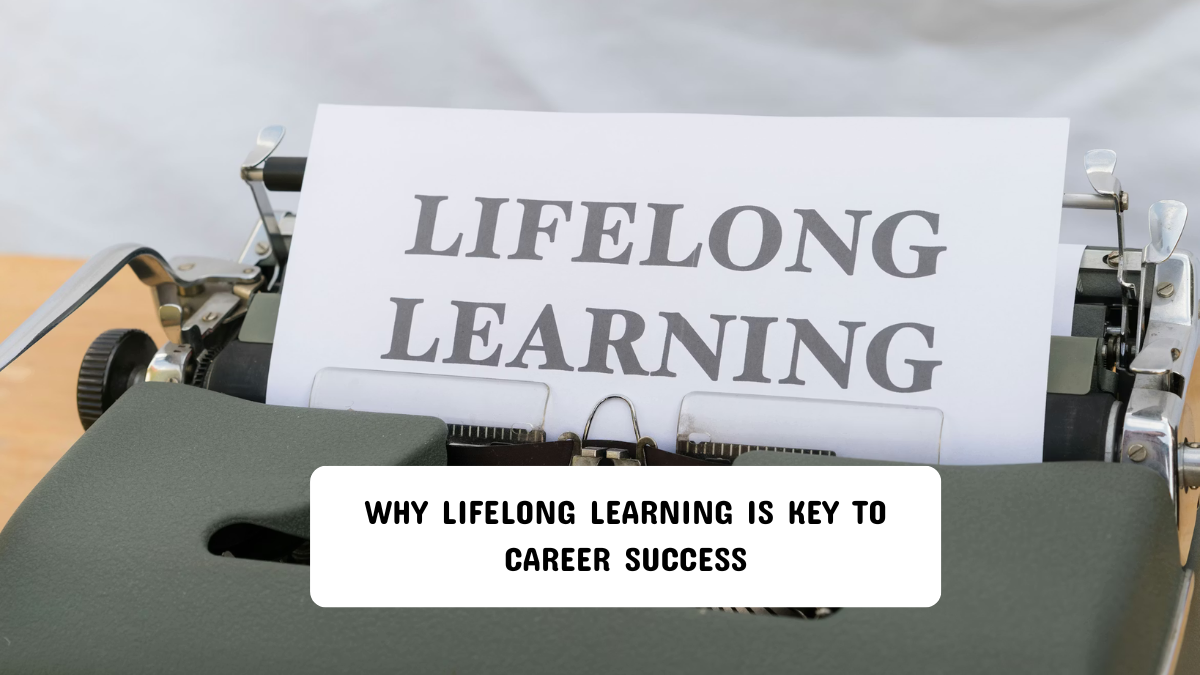
Career stagnation often happens because the workplace evolves faster than our skill sets. Technology advances, new tools emerge, and workplace expectations shift. Workers who stop learning may find themselves less competitive, overlooked for promotions, or limited to routine tasks. In addition, some people underestimate the value of soft skills like communication, problem-solving, or collaboration, which can become outdated if not practiced and refined. The solution lies in embracing lifelong learning—a commitment to improving knowledge and skills continuously.
 How Modern Teaching Methods Are Inspiring a New Generation of Learners
Step-by-Step Solutions for Lifelong Learning
1. Identify Your Learning Goals
The first step is knowing what to learn and why. Set clear career-related goals. For example, if you work in marketing, mastering digital analytics could make you more valuable. If you are in healthcare administration, improving leadership and project management skills can open new opportunities. Write down short-term and long-term learning goals, such as mastering a new software in three months or completing a certification in a year.
2. Use Free and Affordable Learning Resources
You don’t need expensive programs to grow your skills. Many free or low-cost resources are available for US learners. Websites like Coursera, edX, Khan Academy, and LinkedIn Learning offer courses in multiple fields. Public libraries often provide free access to online classes, e-books, and workshops. Even YouTube has practical tutorials, especially for software skills, creative work, or language learning. Take advantage of these resources to gain knowledge without financial strain.
 How Teachers Are Using Innovation to Transform Classrooms
3. Learn Through On-the-Job Experience
Hands-on experience is one of the most effective ways to learn. Volunteering for new projects at work, shadowing colleagues in different departments, or taking part in cross-functional teams exposes you to new skills. For example, a customer service representative who learns basic coding or data analysis can better understand tech-related workflows and stand out for promotions. Seek feedback from supervisors and peers to make sure your learning aligns with workplace expectations.
4. Build a Habit of Reading and Research
Reading regularly keeps your knowledge fresh and improves critical thinking. For career growth, focus on industry-specific books, professional journals, and reputable websites. For instance, teachers might read the latest studies in education techniques, while engineers might follow technical publications or patent trends. Schedule at least 20–30 minutes daily for reading or research. This consistent habit strengthens your expertise over time without feeling overwhelming.
 Why Collaborative Learning Is the Future of Education
5. Network and Learn from Others
Learning isn’t limited to formal education. Networking allows you to gain insights from colleagues, mentors, and industry leaders. Attend conferences, workshops, or local meetups to share knowledge and observe best practices. Even casual conversations with experienced coworkers can provide tips on improving efficiency, handling workplace challenges, or exploring career paths. LinkedIn groups and professional associations also offer discussion forums where you can learn from peers across the USA.
6. Take Short Courses and Certifications
Short-term courses or certifications are highly effective for targeted skill development. Many US institutions offer online or in-person programs in fields like IT, healthcare, finance, marketing, and more. Completing a certification not only enhances knowledge but also signals commitment and competence to employers. For instance, a project management certification or a data analytics credential can boost credibility and increase opportunities for advancement.
 The Secrets to Creating Engaging Lessons That Students Love
7. Apply What You Learn Immediately
Knowledge alone is not enough; applying it reinforces learning. When you acquire a new skill, try integrating it into your current work tasks or personal projects. For example, if you learn advanced Excel functions, use them to streamline reporting at your job. If you practice public speaking skills, volunteer for team presentations or community events. Practical application turns theory into confidence and makes learning more meaningful.
8. Reflect and Adjust Your Learning Path
Regular reflection ensures your learning aligns with career goals. Set aside time monthly or quarterly to assess progress. Ask yourself questions like: What new skills have I gained? How have they impacted my work? What areas need improvement? Adjust your learning strategy based on your reflections. Flexibility ensures you focus on relevant skills and avoid spending time on outdated or unnecessary knowledge.
 How Technology Is Making Learning More Fun and Effective
Helpful Tips to Maximize Lifelong Learning
- Start Small: Break learning into manageable steps. Small, consistent efforts often yield better long-term results than occasional intensive sessions.
- Mix Learning Methods: Combine reading, online courses, workshops, and hands-on experience. Different methods reinforce knowledge effectively.
- Stay Curious: Ask questions at work, explore new ideas, and embrace challenges as opportunities to learn.
- Keep a Learning Journal: Track progress, note insights, and record practical applications. A journal helps retain knowledge and shows growth over time.
- Avoid Overloading: Focus on one or two skills at a time to prevent burnout and maintain quality learning.
Common Mistakes to Avoid
- Ignoring Soft Skills: Many focus solely on technical skills. Soft skills like communication, problem-solving, and adaptability are equally important for career growth.
- Procrastination: Delaying learning opportunities leads to stagnation. Schedule learning like any work task to ensure consistency.
- Relying Only on Formal Education: Degrees alone aren’t enough. Continuous skill development is crucial in a dynamic workplace.
- Neglecting Feedback: Feedback is essential for improving skills and understanding blind spots. Avoid learning in isolation.
- Comparing Yourself to Others: Everyone’s learning path is unique. Focus on personal growth rather than measuring against peers.
FAQ
Q1: How much time should I spend on lifelong learning each week?
Even 3–5 hours weekly can make a significant difference over months. Short, focused sessions are more effective than occasional long sessions.
Q2: Can lifelong learning help me switch careers?
Yes. Acquiring new skills and certifications relevant to another industry can make career transitions smoother and more achievable.
Q3: Are online courses as effective as in-person learning?
Yes, especially when combined with practice. Interactive elements, discussion forums, and assignments help online learning match or even exceed in-person results in some cases.
Q4: How do I stay motivated to keep learning?
Set achievable goals, track progress, celebrate small wins, and connect learning to tangible benefits in your career. Support from mentors or peers also helps maintain motivation.
Q5: Is lifelong learning only for young professionals?
Not at all. Professionals of any age, including seniors, benefit from continuous learning. Staying engaged mentally can improve problem-solving, adaptability, and job satisfaction.
Conclusion: Embrace Lifelong Learning for Lasting Career Success
Career success today requires more than a degree or past experience. Lifelong learning ensures you remain relevant, adaptable, and confident in a rapidly changing workplace. By identifying learning goals, leveraging resources, gaining hands-on experience, networking, and applying knowledge, you can steadily grow your skills.
Avoid common pitfalls and stay committed to a consistent, practical learning approach. In the long run, lifelong learning not only strengthens your career but also enhances personal fulfillment and professional resilience, making you better equipped for every opportunity that comes your way.
✨ You May Also Like ✨