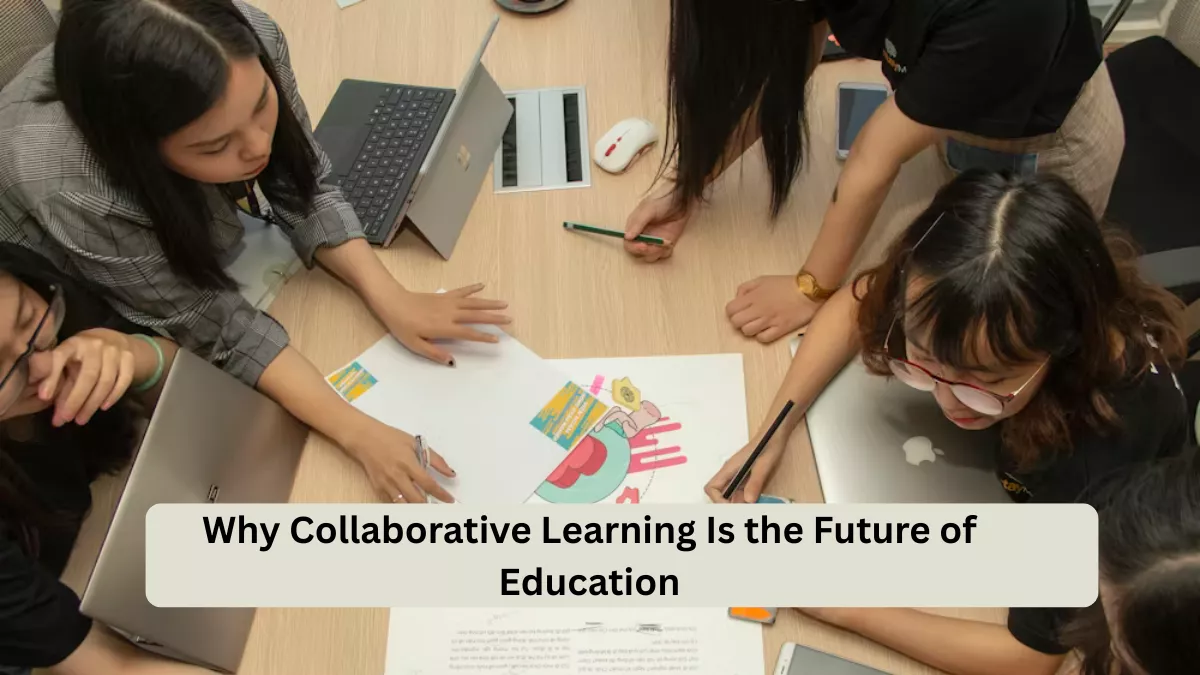
Education is evolving faster than ever before, and traditional classroom models are being reimagined. Students today are not just passive recipients of information; they are active participants in shaping their learning experiences. Collaborative learning, a method where students work together to solve problems, share ideas, and support one another, is emerging as a transformative approach in this new educational landscape.
This method goes beyond memorization and lectures, encouraging critical thinking, communication, and teamwork—skills essential for the modern world. Understanding why collaborative learning is becoming the future of education helps educators, students, and institutions create environments that foster deeper understanding, creativity, and engagement.
 How Modern Teaching Methods Are Inspiring a New Generation of Learners
Understanding Collaborative Learning
Collaborative learning is an instructional approach that emphasizes teamwork over individual performance. Unlike traditional education, which often focuses on exams and isolated study, collaborative learning engages students in dialogue, joint problem-solving, and peer feedback. This approach can take many forms, from small group discussions and peer review sessions to larger project-based activities and interdisciplinary collaboration. The core idea is that learning is enriched when students interact with different perspectives, challenge assumptions, and collectively construct knowledge.
Research has shown that students involved in collaborative learning retain information more effectively than those studying alone. When learners explain concepts to peers, they reinforce their understanding while also identifying gaps in their knowledge. In essence, collaboration turns the classroom into a dynamic ecosystem where knowledge is not just consumed but actively created.
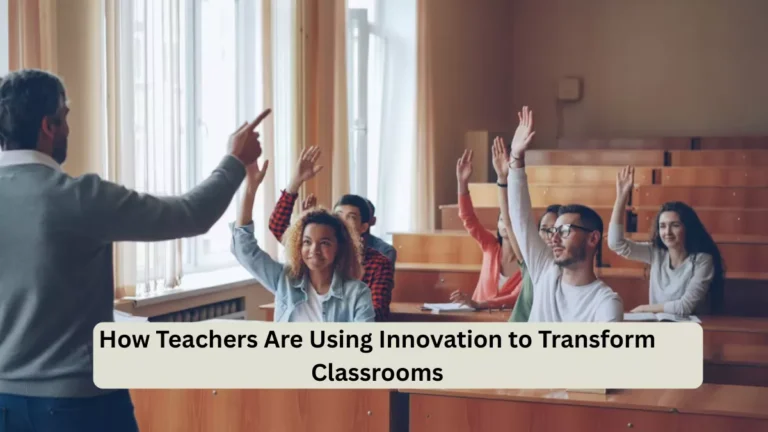
 How Teachers Are Using Innovation to Transform Classrooms
The Cognitive and Social Benefits
One of the most compelling reasons collaborative learning is taking center stage in education is the combination of cognitive and social benefits it offers. Cognitively, working in groups encourages critical thinking, problem-solving, and creativity. Students are exposed to multiple perspectives, which fosters flexible thinking and deeper understanding. Socially, collaborative learning strengthens communication skills, empathy, and emotional intelligence. These social skills are increasingly valued in professional and personal life, making collaborative learning relevant beyond academic success.
Collaborative learning also addresses one of the biggest challenges in education today: student engagement. Classrooms that prioritize collaboration often see higher participation rates and lower dropout rates. When students feel their contributions matter and they have agency in the learning process, they are more motivated to invest effort and explore new ideas.
 The Secrets to Creating Engaging Lessons That Students Love
Technology’s Role in Collaborative Learning
Modern technology has accelerated the adoption of collaborative learning. Digital platforms, cloud-based tools, and interactive software allow students to collaborate in real-time, regardless of location. Tools such as shared documents, virtual whiteboards, and video conferencing make group work seamless and flexible. This integration of technology not only expands the possibilities for collaboration but also mirrors the increasingly digital work environment students will face after graduation.
Virtual collaboration also prepares students for global teamwork. In a world where businesses often operate across continents, students who practice online collaboration develop essential digital communication and project management skills. As technology continues to evolve, collaborative learning platforms are likely to become even more sophisticated, offering AI-assisted feedback, adaptive learning paths, and immersive experiences that make collaboration both efficient and personalized.
 How Technology Is Making Learning More Fun and Effective
Real-World Applications
Collaborative learning is not just a theoretical concept; it has tangible applications in real-world education. In STEM fields, students often work together on experiments, coding projects, or design challenges. In humanities and social sciences, group discussions, debates, and research projects foster deeper comprehension and critical analysis. Professional programs, such as business or healthcare education, rely heavily on teamwork exercises to simulate workplace environments.
One powerful example is project-based learning, where students collaborate to complete a complex task over an extended period. These projects mimic real-life challenges, requiring students to plan, delegate, solve problems, and present solutions collaboratively. Through these experiences, students develop not only academic knowledge but also leadership, negotiation, and conflict-resolution skills—abilities that are crucial in any career.
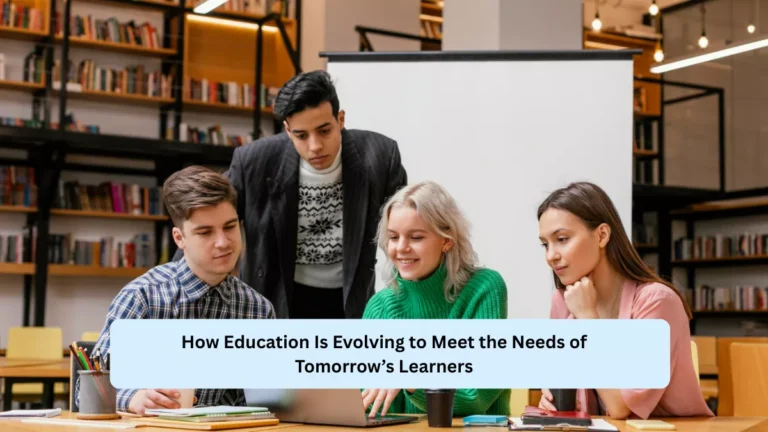
 How Education Is Evolving to Meet the Needs of Tomorrow’s Learners
Challenges and Solutions
While the benefits of collaborative learning are significant, it is not without challenges. Group dynamics can sometimes hinder progress, especially when conflicts arise or participation is uneven. Some students may dominate discussions, while others may remain passive. Teachers also face the difficulty of assessing individual contributions fairly within a group setting.
These challenges can be mitigated through careful planning and structured approaches. Clear guidelines, defined roles, and frequent check-ins help ensure accountability and equal participation. Teachers can use peer assessment, reflective journals, and progress tracking to evaluate both individual and group performance. Training students in communication and teamwork skills also enhances the effectiveness of collaborative learning and minimizes potential conflicts.
Preparing Educators for Collaborative Classrooms
For collaborative learning to succeed, educators must be prepared to shift from a traditional lecturer role to that of a facilitator. This requires professional development in instructional design, group management, and the use of technology for collaboration. Teachers should cultivate an inclusive classroom culture that values diverse perspectives, encourages risk-taking, and allows students to learn from mistakes.
Educators also play a critical role in guiding reflection and discussion. Facilitating meaningful conversations, asking probing questions, and connecting student insights to broader concepts ensures that collaborative learning is purposeful and not merely social. By embracing this role, educators become architects of environments that cultivate critical thinking, creativity, and lifelong learning.
Measuring the Impact of Collaborative Learning
The effectiveness of collaborative learning can be measured through a combination of academic and social indicators. Academic performance, problem-solving ability, and retention of knowledge are traditional metrics, while social and emotional outcomes, such as teamwork, empathy, and engagement, provide a more holistic assessment. Many schools and universities have reported improved student outcomes when implementing collaborative approaches, with learners demonstrating higher achievement and confidence compared to conventional teaching methods.
Evaluation also benefits from continuous feedback loops. Regular reflection sessions allow students to assess their own and their peers’ contributions, identify areas for improvement, and celebrate achievements. This reflective practice ensures that collaborative learning remains dynamic, effective, and aligned with both academic and professional objectives.
The Future of Education
Collaborative learning represents a paradigm shift in education, moving from isolated knowledge acquisition to collective knowledge creation. As workplaces and society increasingly demand adaptability, creativity, and teamwork, the skills fostered through collaborative learning are more relevant than ever. Schools, universities, and professional programs that embrace this approach will produce learners who are not only academically proficient but also socially adept and ready to thrive in complex, interconnected environments.
The future of education lies in classrooms that balance technology, pedagogy, and human interaction. By prioritizing collaboration, educators can equip students with the cognitive and social tools they need to navigate an unpredictable world. Collaborative learning is not a passing trend—it is the cornerstone of modern, effective, and inclusive education.
Conclusion
Collaborative learning is reshaping education by blending academic rigor with social and emotional development. It enhances understanding, boosts engagement, and cultivates essential life skills. With technology and innovative pedagogies supporting collaborative approaches, the classroom becomes a space where students learn from one another, explore ideas creatively, and prepare for real-world challenges. By embracing collaborative learning, educators, students, and institutions can build a future where learning is dynamic, inclusive, and empowering.
FAQs
What is collaborative learning?
Collaborative learning is an educational approach where students work together to share knowledge and solve problems collectively.
Why is collaborative learning effective?
It encourages active engagement, critical thinking, and communication, making learning more meaningful and memorable.
Can technology enhance collaborative learning?
Yes, tools like shared documents, virtual whiteboards, and video conferencing make collaboration seamless and interactive.
What are challenges in collaborative learning?
Unequal participation and group conflicts can arise but can be managed through clear roles, guidance, and peer assessment.
How does collaborative learning prepare students for the future?
It builds teamwork, problem-solving, and communication skills that are essential for careers and global collaboration.
✨ You May Also Like ✨