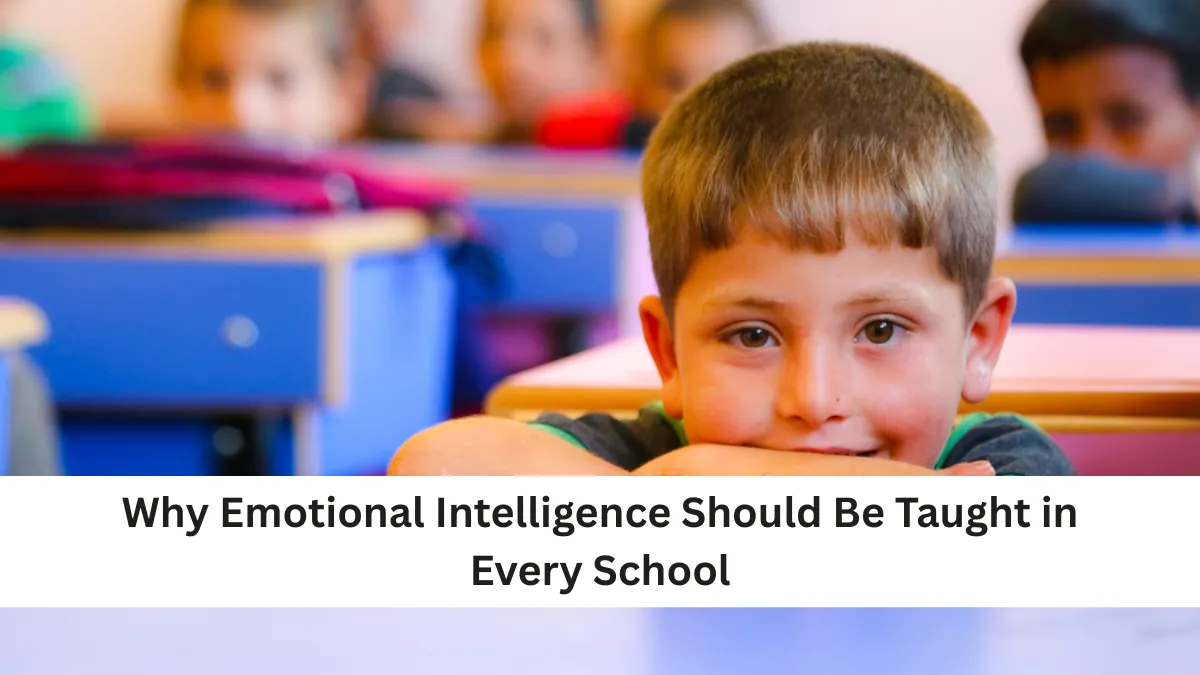
Imagine a classroom where students not only learn math, science, and grammar but also how to handle stress, express empathy, and resolve conflicts peacefully. In an age where academic achievement dominates the spotlight, one critical skill set—emotional intelligence (EI)—is often overlooked. Yet, it is this skill that shapes how we connect, communicate, and cope with challenges throughout life. Emotional intelligence determines whether students grow into resilient, compassionate adults capable of leading with empathy and understanding.
As technology reshapes education and social dynamics grow more complex, emotional intelligence is no longer optional; it is essential. By integrating EI into school curricula, educators can prepare students not only for exams but for life. This article explores why teaching emotional intelligence in every school is vital, how it benefits academic and personal growth, and what steps educators can take to implement it effectively.
 How Modern Teaching Methods Are Inspiring a New Generation of Learners
Understanding Emotional Intelligence
Emotional intelligence refers to the ability to identify, understand, and manage one’s own emotions while also recognizing and influencing the emotions of others. It is built upon four core components: self-awareness, self-management, social awareness, and relationship management. Unlike IQ, which measures cognitive abilities, EI determines how well individuals handle interpersonal relationships and emotional challenges.
When children are taught to recognize emotions early, they develop a stronger sense of empathy and better communication skills. They learn to respond rather than react, leading to more thoughtful decision-making. This foundation creates classrooms that are not only academically productive but emotionally supportive.
 How Teachers Are Using Innovation to Transform Classrooms
Why Emotional Intelligence Matters in Schools
The academic system has traditionally focused on cognitive performance—grades, test scores, and measurable skills. However, research shows that emotional skills are equally important in determining long-term success. Students with high emotional intelligence are more engaged, perform better, and experience less anxiety and stress.
Emotional intelligence enables children to manage frustration, work collaboratively, and develop self-discipline. These traits are crucial in today’s interconnected and fast-paced world. Without emotional education, many students struggle with communication, conflict resolution, and mental health issues that can impede learning.
 Why Collaborative Learning Is the Future of Education
Emotional intelligence also supports inclusivity. In diverse classrooms, students from different cultural and social backgrounds interact daily. EI helps bridge gaps, fostering tolerance and respect. When emotional understanding becomes part of school culture, bullying decreases, and empathy increases, leading to safer and more welcoming learning environments.
The Link Between Emotional Intelligence and Academic Success
Contrary to the misconception that emotional learning detracts from academic focus, studies show the opposite. When students are emotionally balanced, they concentrate better and perform more consistently. EI training helps students regulate stress, which enhances memory retention and cognitive processing.
 The Secrets to Creating Engaging Lessons That Students Love
For instance, a student who learns to manage test anxiety through mindfulness and emotional regulation techniques is more likely to perform to their potential. Emotional intelligence also improves motivation. Students who can set realistic goals and overcome setbacks develop perseverance—a key predictor of academic success.
Teachers who incorporate emotional learning into their lessons often observe fewer behavioral issues and higher classroom engagement. Emotional intelligence nurtures curiosity, resilience, and adaptability—traits that cannot be graded but are vital for lifelong learning.
 How Technology Is Making Learning More Fun and Effective
Building Social and Emotional Skills from an Early Age
Early childhood is a critical stage for developing emotional intelligence. When schools introduce EI programs from kindergarten, they help children build empathy and communication skills before negative habits form. By learning to express feelings using words rather than actions, children reduce impulsive behavior and learn healthy emotional expression.
Through storytelling, role-play, and group discussions, young learners begin to understand how emotions influence behavior. Teachers can model empathy and self-regulation by acknowledging emotions in everyday interactions. These small but consistent practices shape emotionally intelligent individuals who value understanding over reaction.
The Role of Teachers in Developing Emotional Intelligence
Teachers play a central role in shaping emotional intelligence. Their behavior, tone, and classroom culture influence how students perceive and manage emotions. A teacher who practices empathy, patience, and openness naturally encourages students to do the same.
To effectively teach EI, educators must first strengthen their own emotional awareness. Professional development programs focusing on mindfulness, empathy training, and communication can empower teachers to model emotional regulation. When educators lead with emotional clarity, classrooms become emotionally secure environments where students feel valued and supported.
Teachers can incorporate emotional learning by creating opportunities for reflection. Asking students to discuss how they feel about challenges or successes encourages emotional articulation. Over time, this leads to stronger relationships and increased emotional maturity among students.
Emotional Intelligence and Mental Health
Modern students face unprecedented levels of stress, anxiety, and social pressure. Emotional intelligence education offers a powerful tool for prevention and support. When students learn to identify emotions and understand their triggers, they can manage stress before it escalates into serious mental health problems.
EI training encourages mindfulness and self-compassion, which reduce negative self-talk and boost self-esteem. Students who understand emotional balance are better equipped to handle setbacks, criticism, and social rejection. Emotional literacy not only enhances mental well-being but also improves school attendance, motivation, and participation.
By making emotional education a priority, schools can create environments where seeking help is normalized and mental health conversations are open and stigma-free. This proactive approach benefits both academic achievement and personal growth.
Preparing Students for the Future Workplace
In the professional world, emotional intelligence often outweighs technical expertise. Employers consistently rank communication, teamwork, adaptability, and leadership as top desirable skills—all of which stem from EI. As automation replaces routine tasks, human-centered abilities such as empathy and collaboration become increasingly valuable.
By teaching emotional intelligence in schools, educators prepare students for the demands of modern workplaces. Students learn how to handle criticism constructively, navigate complex team dynamics, and lead with understanding. Emotional intelligence enhances problem-solving by encouraging perspective-taking and creativity.
Future leaders who possess emotional intelligence will be better equipped to inspire others, manage conflicts, and maintain resilience in the face of change. These are skills that no textbook can teach but every school can nurture.
Implementing Emotional Intelligence in School Curriculums
Integrating EI into education requires a structured, consistent approach. It should not be treated as an optional activity but as a core element of learning. Schools can weave emotional intelligence into daily lessons, from literature discussions to group projects.
Educators can encourage students to identify characters’ emotions in stories, reflect on real-life scenarios, or analyze moral dilemmas. Physical education can include mindfulness exercises that promote self-awareness. Science classes can explore how emotions affect the brain and body, linking emotional regulation to biology.
Beyond academic integration, schools can organize workshops and mentoring programs that focus on empathy, leadership, and self-care. Creating safe spaces where students can express emotions without judgment is key. Emotional intelligence flourishes in environments where compassion and respect are practiced, not just taught.
Overcoming Challenges in Teaching Emotional Intelligence
Despite its proven benefits, integrating EI into education faces challenges. Time constraints, standardized testing pressures, and lack of training often hinder implementation. Some educators worry that emotional learning might detract from academic priorities.
However, evidence consistently shows that emotional education enhances academic outcomes rather than competes with them. To address these barriers, schools must view EI as foundational rather than supplementary. Training programs for teachers and administrative support are crucial for sustainable integration.
Parental involvement also strengthens EI education. When parents model emotional intelligence at home, lessons from school are reinforced, creating consistency in children’s emotional development. Collaboration among educators, parents, and students ensures long-term success.
Conclusion: The Heart of Education Lies in Emotional Intelligence
Education has always been about more than knowledge; it is about shaping human potential. Emotional intelligence gives students the tools to understand themselves, connect with others, and navigate life with compassion and confidence. When schools embrace EI as an essential component of learning, they nurture not just intelligent minds but empathetic hearts.
Teaching emotional intelligence equips future generations to thrive academically, professionally, and personally. It bridges the gap between knowledge and humanity—ensuring that students grow not only smart but also kind, resilient, and emotionally aware. The time has come for every school to recognize emotional intelligence not as an extra subject, but as the foundation of meaningful education.
FAQs
What is emotional intelligence in simple terms?
It’s the ability to recognize, understand, and manage your emotions while responding effectively to others’ feelings.
Why should schools teach emotional intelligence?
Because it helps students handle stress, build empathy, and develop skills essential for academic and personal success.
How does emotional intelligence affect learning?
It enhances focus, reduces anxiety, and improves motivation, leading to stronger academic and social outcomes.
Can teachers develop students’ emotional intelligence easily?
Yes, by modeling empathy, encouraging reflection, and integrating emotional lessons into everyday classroom interactions.
What long-term benefits come from learning emotional intelligence?
It improves relationships, mental health, leadership skills, and prepares students for success in life and work.
✨ You May Also Like ✨