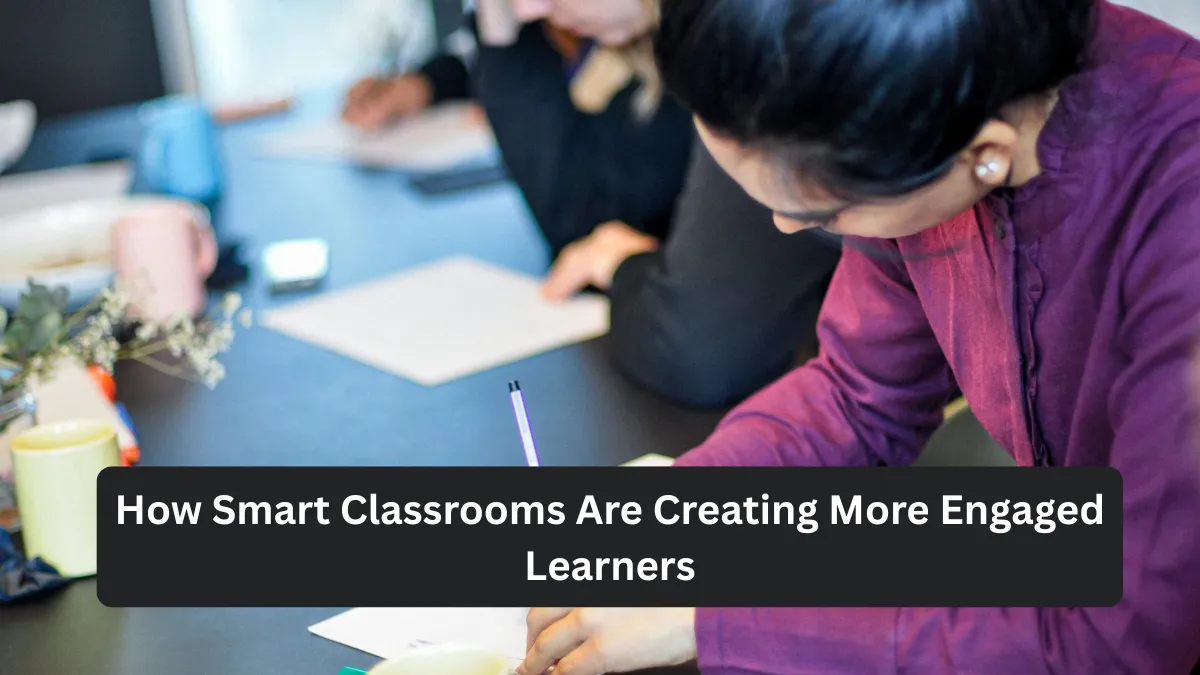
Education has evolved tremendously over the past decade, shifting from traditional chalk-and-board classrooms to dynamic, technology-driven learning environments. At the heart of this transformation lies the concept of smart classrooms. These innovative spaces leverage digital tools, interactive platforms, and adaptive technologies to create an immersive educational experience. The shift is not merely about replacing paper with screens; it is about fostering active participation, critical thinking, and engagement among students. For educators, understanding how smart classrooms enhance learning can unlock strategies to improve student performance and motivation.
Smart classrooms are designed to address one core challenge that has long plagued conventional education: student disengagement. Studies indicate that a significant percentage of learners lose focus during traditional lectures, resulting in lower retention and decreased interest in subjects. By incorporating interactive elements, real-time feedback systems, and collaborative tools, smart classrooms aim to reverse this trend. Teachers can now monitor participation, adjust lesson plans dynamically, and create an environment where every student feels involved. This article explores how smart classrooms achieve these outcomes, examining technology integration, teaching strategies, and the resulting benefits for learners.
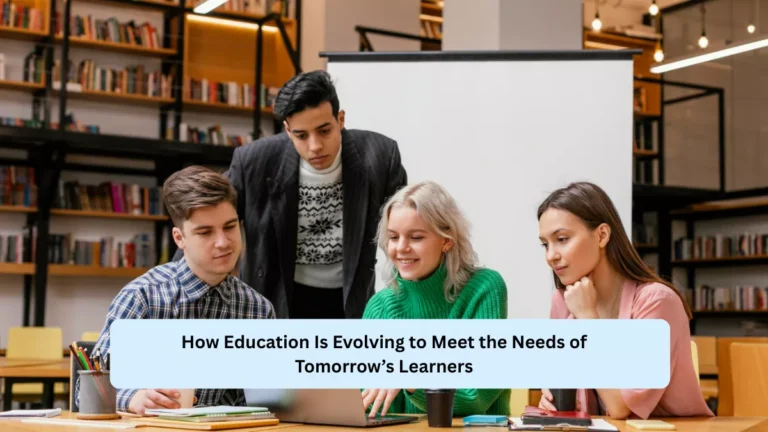
 How Modern Teaching Methods Are Inspiring a New Generation of Learners
The Role of Technology in Student Engagement
Technology forms the backbone of smart classrooms, enabling seamless integration of learning tools that enhance interactivity. Unlike static classrooms, smart classrooms incorporate devices such as tablets, interactive whiteboards, and cloud-based platforms to deliver content in multiple formats. Video demonstrations, virtual simulations, and gamified learning modules provide students with hands-on experiences that reinforce theoretical knowledge. For example, in a biology class, students can explore virtual dissections rather than relying solely on textbook diagrams, offering a more memorable and engaging learning experience.
Real-time feedback is another crucial element. Smart assessment tools allow teachers to instantly gauge comprehension levels through quizzes, polls, and interactive exercises. This immediate insight helps instructors tailor lessons to meet individual needs, addressing gaps before they widen. Moreover, adaptive learning platforms analyze student performance data to customize assignments, creating a personalized learning journey. When students see that the material adjusts to their pace and interests, engagement naturally increases. This level of responsiveness is impossible in traditional classrooms, where one-size-fits-all teaching often leaves some students behind.
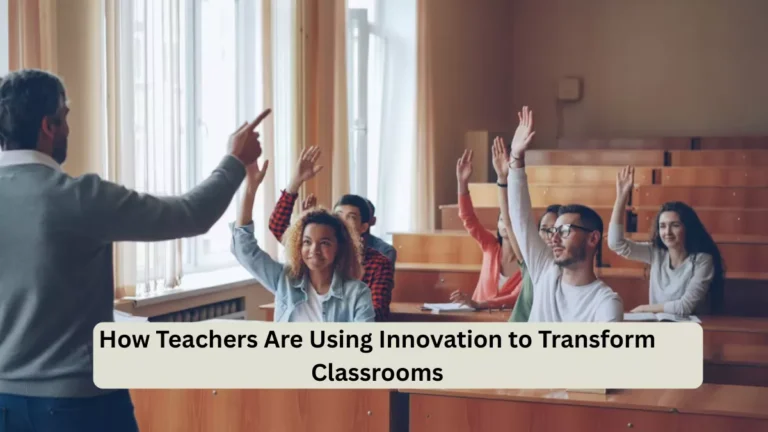
 How Teachers Are Using Innovation to Transform Classrooms
Interactive Learning: Turning Passive Learners into Active Participants
One of the most compelling benefits of smart classrooms is their ability to transform passive learners into active participants. Traditional lectures often rely on memorization and note-taking, limiting opportunities for student interaction. In contrast, smart classrooms encourage collaboration through group projects, discussion boards, and digital forums. Students can contribute ideas, ask questions, and solve problems in real time, fostering a sense of ownership over their learning process.
Gamification also plays a key role in boosting engagement. By integrating educational games, challenges, and reward systems, teachers create an environment where learning feels exciting rather than obligatory. Students are motivated not just by grades but by immediate recognition of their progress and accomplishments. This approach aligns with cognitive research that highlights the importance of active engagement in memory retention and skill development. As learners participate actively, they develop higher-order thinking skills, such as analysis, evaluation, and creativity, which are critical for success in the modern world.
 Why Collaborative Learning Is the Future of Education
Enhancing Collaboration and Communication Skills
Smart classrooms do more than improve individual learning—they cultivate essential soft skills. Collaboration is central to many interactive tools, from shared online workspaces to video conferencing for group discussions. Students learn to communicate effectively, manage conflicts, and negotiate solutions, preparing them for professional environments where teamwork is vital. The classroom becomes a microcosm of real-world dynamics, offering students a safe space to experiment with leadership, empathy, and negotiation strategies.
In addition, these environments bridge gaps between students and teachers. Open communication channels, including chat systems and instant feedback tools, empower learners to ask questions without fear of judgment. Teachers can provide support on a one-on-one basis, addressing concerns that might otherwise go unnoticed in traditional settings. By reducing barriers to communication, smart classrooms create a more inclusive environment where every student feels heard and valued, further reinforcing engagement.
 The Secrets to Creating Engaging Lessons That Students Love
Real-World Applications and Examples
Several educational institutions have already demonstrated the benefits of smart classrooms. Schools that integrate technology-driven instruction report higher attendance, improved test scores, and greater student satisfaction. For instance, some high schools use virtual labs to allow students to conduct chemistry experiments safely online, while universities employ augmented reality to bring historical events to life. These applications make abstract concepts tangible, turning learning into an experience rather than a task.
Furthermore, smart classrooms facilitate project-based learning. Students can work on real-world problems, simulate scenarios, and test solutions using digital tools. This hands-on approach fosters critical thinking, problem-solving, and creativity, equipping learners with skills that extend beyond academic achievement. When students see the relevance of what they are learning, their intrinsic motivation grows, resulting in sustained engagement and curiosity.
 How Technology Is Making Learning More Fun and Effective
Overcoming Challenges in Smart Classrooms
Despite their advantages, smart classrooms are not without challenges. Access to technology, training for educators, and maintaining student focus amid digital distractions are ongoing concerns. Schools must invest in professional development programs to ensure teachers can use these tools effectively. Integrating technology should enhance pedagogy, not replace fundamental teaching skills. Additionally, establishing guidelines for device usage helps minimize distractions, keeping students on task while benefiting from interactive tools.
Equity is another important consideration. Not all students have access to devices or reliable internet at home, creating potential gaps in learning. Schools need to implement inclusive policies, such as lending programs or offline resources, to ensure that every learner can participate fully. Addressing these challenges proactively is essential for maximizing the impact of smart classrooms on engagement and academic outcomes.
Measuring Success in Engaged Learning
Assessing the effectiveness of smart classrooms requires a multi-dimensional approach. Traditional metrics, such as test scores, provide some insight, but engagement and participation are equally important indicators. Tools like learning analytics dashboards track student interactions, time on tasks, and collaborative contributions, providing a comprehensive view of learning outcomes. Surveys and feedback sessions with students and teachers can also reveal qualitative insights into how technology influences motivation, confidence, and satisfaction.
The ultimate measure of success is the development of lifelong learners. Students in smart classrooms tend to exhibit curiosity, adaptability, and resilience, traits that prepare them for higher education and professional challenges. By creating an environment where learning is interactive, relevant, and personalized, educators cultivate a mindset that extends far beyond the classroom.
Conclusion: The Future of Engaged Learning
Smart classrooms represent a paradigm shift in education, transforming passive spectators into active, motivated learners. By leveraging technology, fostering collaboration, and personalizing learning experiences, these classrooms increase engagement, retention, and skill development. While challenges such as equity and effective implementation remain, the benefits for students and educators are undeniable. Schools that embrace this model are not just enhancing academic performance—they are preparing learners for the complexities of the modern world. Engaged students become confident thinkers, problem solvers, and lifelong learners, capable of thriving in an ever-changing landscape.
The future of education is interactive, adaptive, and student-centered. Smart classrooms are leading this revolution, creating environments where learning is meaningful, enjoyable, and impactful. As technology continues to evolve, so too will the tools and strategies that educators can use to connect with students, making every lesson an opportunity for engagement and growth.
FAQs
What is a smart classroom?
A smart classroom integrates technology like interactive boards, tablets, and software to enhance learning engagement and interaction.
How do smart classrooms increase student engagement?
They provide interactive tools, personalized content, and real-time feedback, turning passive learners into active participants.
Are smart classrooms suitable for all subjects?
Yes, subjects from science to arts can benefit through simulations, multimedia content, and collaborative platforms.
What challenges do schools face in smart classrooms?
Challenges include technology access, teacher training, managing distractions, and ensuring equitable learning opportunities.
How is learning measured in smart classrooms?
Success is assessed via analytics dashboards, participation, feedback, and development of critical thinking and collaboration skills.
✨ You May Also Like ✨