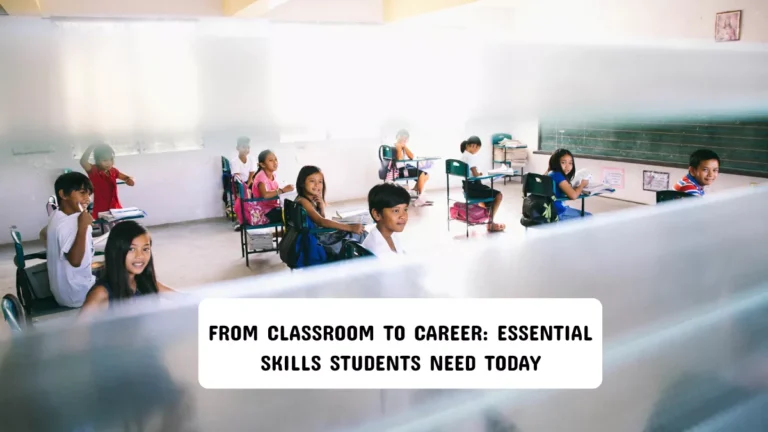
Many parents across the US feel overwhelmed when it comes to helping their kids with schoolwork. Between jobs, chores, and after-school activities, finding time to support children’s learning at home often falls to the bottom of the list. Kids might struggle with homework, lose interest in reading, or fall behind in math, leaving parents wondering where to start.
This gap in at-home support can make a real difference in a child’s confidence and progress.
 How Modern Teaching Methods Are Inspiring a New Generation of Learners
Why Supporting Learning at Home Matters
In today’s fast-paced world, classrooms can’t always cover everything a child needs. Teachers handle 20 to 30 students, so individual attention is limited. At home, parents have a chance to fill those gaps, but life gets in the way—long work hours, screen time distractions, and exhaustion after dinner.
When kids don’t get that extra reinforcement, small issues snowball. A second-grader who skips practicing multiplication might struggle with fractions later. Studies from US education groups show consistent home involvement boosts grades and self-esteem, yet only about half of parents regularly engage due to these everyday hurdles.
 How Teachers Are Using Innovation to Transform Classrooms
Common Reasons Parents Struggle
Busy schedules top the list. In places like California or Texas suburbs, parents juggle two jobs or commutes, leaving evenings rushed. Kids come home tired from school buses or sports, and dinner prep takes priority.
Lack of confidence plays a role too. Not every parent remembers algebra or enjoys grammar drills. I’ve talked to moms in Midwest towns who say, “I barely passed high school—how can I teach this?”
 Why Collaborative Learning Is the Future of Education
Resources matter as well. In rural areas or low-income neighborhoods, quiet study spaces or books aren’t always available. Screens dominate, pulling kids toward games instead of learning apps.
Finally, mismatched approaches hurt. Pushing too hard leads to frustration; doing it all for them kills independence. Understanding these roadblocks is the first step to real change.
 The Secrets to Creating Engaging Lessons That Students Love
Creating a Daily Routine for Learning
Start with structure—kids thrive on it. Pick a consistent time each day, like right after snack or before TV. In my house, we aimed for 30 minutes post-dinner, adjusting for younger ones who needed earlier slots.
Set a dedicated time block.
Aim for 20-45 minutes based on age—shorter for elementary, longer for middle school. Use a kitchen timer to keep it predictable. This builds habit without overwhelming anyone.
 How Technology Is Making Learning More Fun and Effective
Designate a learning spot.
Clear a table or desk away from TV noise. In small apartments common in cities like Chicago, we used a folding table in the dining nook. Stock it with basics: pencils, paper, a lamp for evenings.
Involve the child in planning.
Ask what they want to tackle first—reading or math? This gives ownership. For example, my neighbor in Florida let her son choose between spelling and science review, making him more eager.
Track progress weekly with a simple chart. Seeing stickers pile up motivates without pressure.
Building a Positive Learning Environment
A calm space sets the tone. Dim distractions first—phones on silent, no siblings interrupting.
Keep it comfortable and organized.
Add a comfy chair or cushion. In humid Southern states, a fan helps focus. Organize supplies in bins labeled by subject to avoid hunting around.
Use natural light and breaks.
Position near a window for daylight, which boosts alertness. Every 15 minutes, stand for a stretch—touch toes or march in place. This mimics school recesses.
Make it personal.
Display their drawings or past A papers. In our Texas home, a corkboard of achievements reminded everyone of wins, big or small.
Encourage questions freely. If you don’t know an answer, say, “Let’s look it up together.” This models curiosity over perfection.
Practical Reading Support Strategies
Reading builds everything else, but kids resist if it feels like a chore. Start small to spark interest.
Read aloud together daily.
Pick books at their level—picture books for little ones, chapter books for older. In libraries across New York, free story hours inspire; recreate that vibe at home. Take turns reading pages.
Choose engaging material.
Match interests: dinosaurs for boys, mysteries for girls. US series like Magic Tree House hook them fast. Visit a local bookstore or app for samples.
Practice comprehension questions.
After a chapter, ask, “What happened to the character?” or “Why did they choose that?” Keep it casual over milk and cookies.
Track progress gently.
Use a reading log with fun stickers. Aim for 15 pages a night—no more. If they stumble on words, sound them out together without correcting harshly.
For reluctant readers, pair with audiobooks during car rides to Seattle grocery runs. Hearing good narration improves fluency naturally.
Hands-On Math Practice Ideas
Math trips up many kids because it feels abstract. Make it concrete with everyday examples.
Use household items for basics.
Count apples while unpacking groceries or measure flour for cookies. In Midwest farm families, sorting eggs teaches grouping.
Break problems into steps.
Write the equation on paper: “First, add these two numbers.” Use fingers or drawings for visuals. For fractions, slice a pizza equally—relatable for pizza-loving American kids.
Play math games.
Board games like Monopoly teach money skills; apps with timers add fun competition. Set a weekly “math night” with dice for addition races.
Review mistakes together.
Don’t erase errors—circle them and redo slowly. “See how we carried the 1 here?” This teaches resilience.
Incorporate real life: calculate tip at diners or gas for road trips to grandparents in Ohio. It shows math’s purpose beyond worksheets.
Fostering Writing and Communication Skills
Writing intimidates because it’s open-ended. Guide without taking over.
Start with journaling.
Give a notebook for daily entries: “What was fun today?” No grading—just sharing. Expand to letters for cousins.
Practice structured prompts.
“Describe your dream pet” or “How to make your favorite sandwich.” Time it to 10 minutes. Read aloud and praise specifics, like vivid details.
Build vocabulary naturally.
During dinner, use new words: “That cake was delectable.” Kids pick it up fast.
Edit collaboratively.
Highlight one strength, suggest one tweak. “Great start—let’s add why it happened.” Use examples from US kids’ books like Charlotte’s Web.
For tech-savvy tweens, type stories on a shared doc, teaching revisions digitally.
Incorporating Science and Social Studies
These subjects come alive through exploration, not rote facts.
Do simple experiments.
Mix baking soda and vinegar for volcanoes—messy but memorable. Relate to weather in stormy Florida or earthquakes in California.
Explore maps and history locally.
Trace family roots on a US map or visit nearby historical sites. In Boston, walking the Freedom Trail reinforces lessons.
Watch educational videos sparingly.
Short clips on planets or civics, followed by discussion. “What surprised you?”
Connect to current family events.
Plant seeds in pots to learn growth cycles, tracking in a notebook.
Keep sessions active—kids retain more moving than sitting.
Encouraging Independent Learning Habits
The goal is self-reliance, not dependence.
Teach time management.
Use planners for homework lists. Middle schoolers in Atlanta public schools benefit from color-coding subjects.
Set small goals.
“Finish three problems before break.” Reward with playtime, not treats.
Praise effort over results.
“That took focus—nice job sticking with it.” Builds grit.
Model lifelong learning.
Read newspapers or puzzles visibly. Share what you discover.
Gradually step back, checking in weekly.
Helpful Tips and Common Mistakes to Avoid
Tips for success:
- Stay patient; progress takes weeks.
- Alternate subjects to prevent burnout.
- Partner with teachers via email for targeted help.
- Celebrate monthly with a family outing, like park picnics.
Mistakes to sidestep:
- Overloading with too much time—start small.
- Hovering constantly; let them problem-solve.
- Comparing to siblings or friends—focus on personal growth.
- Ignoring their input; listen to frustrations.
- Skipping consistency for “catch-up marathons.”
In my experience, these tweaks turned reluctant learners into eager ones.
FAQ’s
How much time should I spend daily supporting my child’s learning at home?
It depends on age and needs, but 20-45 minutes works for most. Consistency beats long sessions—quality matters more than quantity.
What if my child resists help?
Ease in with their interests, like sports stats for math. Keep it short and positive; resistance often fades with routine.
Do I need special tools or apps?
Basics like paper and pencils suffice. Free library books or public domain sites add variety without cost.
How can I help if I’m not strong in a subject?
Use simple resources like Khan Academy videos together. Focus on encouragement—you’re the coach, not the expert.
✨ You May Also Like ✨