In a world where traditional lecture-style teaching often struggles to hold students’ attention, interactive lessons are emerging as a transformative force in education. The days of passive learning—where students quietly take notes while the teacher speaks—are rapidly being replaced by dynamic experiences that actively engage learners. But why does this shift matter? Student motivation is directly linked to engagement, and motivated students tend to perform better academically, retain information longer, and develop critical thinking skills that extend far beyond the classroom. By integrating interactive elements into lessons, educators are not just making learning more enjoyable—they are fundamentally reshaping the educational experience in ways that foster long-term success.
Interactive lessons involve techniques that encourage participation, collaboration, and hands-on experiences. These can include activities like real-time quizzes, digital simulations, group problem-solving exercises, or discussion-driven projects. The key principle is that students are not mere observers; they become active participants in their learning journey. Research consistently shows that active engagement stimulates curiosity, encourages experimentation, and strengthens memory retention. For educators, this provides a clear incentive to rethink teaching strategies and adopt interactive methods that resonate with students across diverse learning styles.
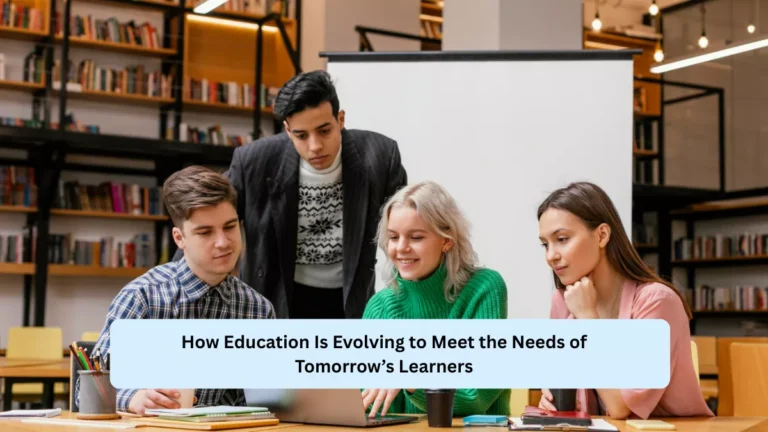
 How Modern Teaching Methods Are Inspiring a New Generation of Learners
Understanding the Link Between Interaction and Motivation
The connection between interactive lessons and student motivation is rooted in cognitive and behavioral psychology. Human beings are naturally wired to respond to novelty and challenge. When lessons incorporate elements that require students to think, respond, or collaborate, the brain’s reward system is activated, releasing dopamine and other neurotransmitters that reinforce positive feelings. This neurochemical response translates to increased attention, enthusiasm, and persistence, all of which are critical indicators of motivation.
Beyond brain chemistry, interactive learning satisfies core psychological needs identified in self-determination theory: autonomy, competence, and relatedness. Students feel autonomous when they can make choices in their learning process, competent when they experience mastery through practice and feedback, and connected when collaboration is encouraged. Interactive lessons directly address these needs, which explains why they are consistently associated with higher motivation levels. Unlike passive learning, which can feel isolating or tedious, interactive approaches foster a sense of purpose and agency, making students more invested in the outcome of their education.
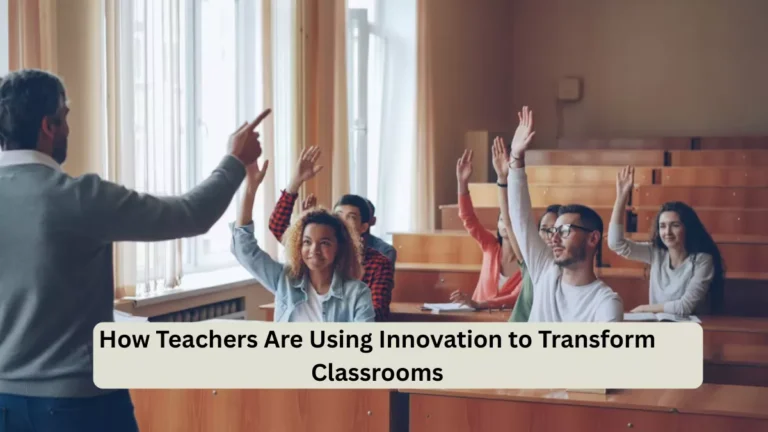
 How Teachers Are Using Innovation to Transform Classrooms
Examples of Effective Interactive Lessons
Across classrooms worldwide, interactive teaching strategies are demonstrating measurable success. In a high school biology class, students might use virtual labs to simulate genetic experiments. Instead of merely reading about Mendelian inheritance, they can manipulate variables, observe outcomes, and analyze results. This hands-on approach helps students internalize complex concepts more effectively than traditional methods.
In language learning, interactive lessons such as role-playing conversations or participating in digital storytelling platforms allow students to practice in context. Engagement rises because learners see immediate, tangible results from their participation, and feedback is instant. This not only improves comprehension but also reduces anxiety, making students more willing to take risks in their learning.
 Why Collaborative Learning Is the Future of Education
Similarly, in mathematics classrooms, gamified problem-solving exercises or collaborative puzzle-solving activities encourage students to engage deeply with content. By framing challenges as interactive games or competitions, educators tap into intrinsic motivation, transforming what might have been a monotonous drill into an exciting intellectual exercise. These examples illustrate that interactivity is not tied to a specific subject—it can enhance learning in virtually any discipline.
Technology as a Catalyst for Motivation
Modern educational technology has dramatically expanded the possibilities for interactive lessons. Tools such as interactive whiteboards, digital quizzes, virtual reality simulations, and collaborative platforms like learning management systems enable teachers to create immersive experiences that were previously impractical. With technology, lessons become adaptable to individual student needs, allowing for differentiated learning experiences.
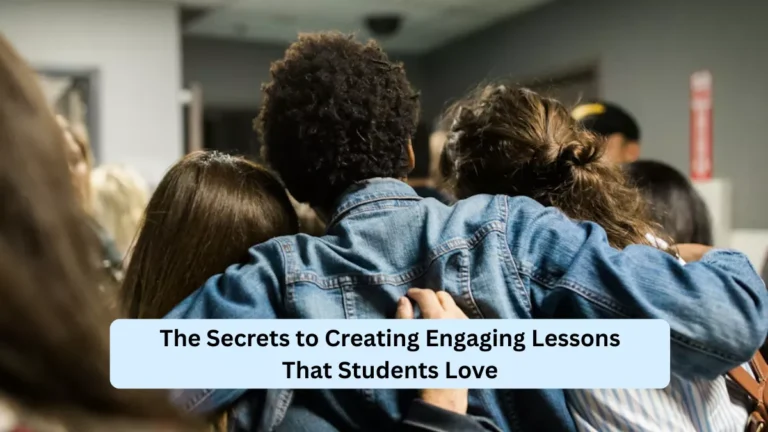
 The Secrets to Creating Engaging Lessons That Students Love
Digital platforms also provide immediate feedback, a crucial component for sustaining motivation. When students see their progress in real time, they are more likely to remain engaged and persist through challenges. Gamification features, such as earning points or badges for completing tasks, further reinforce motivation by providing concrete rewards for effort. However, technology alone is insufficient; successful implementation depends on thoughtful integration into the lesson plan, ensuring that tools enhance learning rather than distract from it.
Overcoming Challenges in Implementing Interactive Lessons
Despite the clear benefits, integrating interactive lessons into classrooms is not without challenges. Some educators face time constraints or lack access to appropriate technology, while others may be unsure how to structure activities that genuinely foster engagement. To address these issues, it is important to adopt a strategic approach. Teachers can start by incorporating small interactive elements, such as think-pair-share exercises or brief digital polls, before scaling up to fully immersive projects.
 How Technology Is Making Learning More Fun and Effective
Professional development is also critical. Teachers need training not only in using technological tools but also in designing activities that are pedagogically sound and aligned with curriculum goals. Collaboration among educators can further support implementation, allowing teachers to share best practices, resources, and creative strategies. By approaching interactive lesson design methodically, schools can overcome initial barriers and build a sustainable model that benefits both students and teachers.
Measurable Benefits of Interactive Learning
Research and practical experience both indicate that interactive lessons yield significant educational benefits. Studies have shown that students participating in active learning environments demonstrate higher retention rates, improved problem-solving abilities, and stronger collaboration skills. Motivation is a key driver of these outcomes; engaged learners are more likely to invest time and effort into mastering material.
Beyond academic performance, interactive learning also fosters social and emotional development. Students develop communication, empathy, and teamwork skills as they collaborate with peers, which are increasingly recognized as essential competencies for success in the 21st-century workforce. Motivation, in this context, becomes not only an educational goal but also a life skill that prepares learners for future challenges.
Strategies to Maximize Student Motivation
To maximize motivation, educators should focus on designing lessons that are meaningful, challenging, and student-centered. Incorporating real-world applications of concepts helps students see the relevance of their learning, which increases intrinsic motivation. Setting clear goals and providing consistent feedback encourages students to track their progress and feel a sense of accomplishment.
Fostering a classroom culture that values curiosity and experimentation is equally important. Encouraging students to ask questions, explore alternative solutions, and learn from mistakes creates a safe and stimulating environment. Teachers can also vary instructional methods to appeal to different learning styles, combining visual, auditory, and kinesthetic approaches to keep lessons fresh and engaging. By adopting these strategies, educators can create interactive lessons that sustain motivation throughout the learning journey.
Case Studies Highlighting Success
Several schools have reported transformative results after integrating interactive lessons. For example, a middle school in California implemented project-based learning across science and social studies classes. Students worked in teams to conduct research, develop presentations, and solve practical problems. Teachers observed increased participation, higher test scores, and a noticeable rise in student enthusiasm.
In another case, an urban high school introduced gamified digital quizzes in mathematics and history classes. Students competed in teams, earning points for accuracy and speed. The interactive format not only improved learning outcomes but also reduced absenteeism and classroom disruptions, highlighting the motivational power of engaging instructional methods. These examples underscore that interactive lessons can yield tangible, measurable improvements in student performance and motivation.
The Future of Interactive Education
As education continues to evolve, interactive lessons are likely to become increasingly central to effective teaching. Advances in artificial intelligence, virtual reality, and adaptive learning platforms will enable even more personalized and immersive experiences. The challenge for educators will be to balance technological innovation with thoughtful pedagogical design, ensuring that lessons remain student-centered and learning-focused.
Moreover, the focus on motivation aligns with broader educational goals of fostering lifelong learning. Students who experience engaging, interactive lessons are more likely to develop a love of learning that persists beyond the classroom. By prioritizing interactivity, schools can cultivate learners who are curious, resilient, and prepared for the complexities of the modern world.
Conclusion
Interactive lessons are revolutionizing education by actively engaging students and boosting motivation. By combining hands-on activities, collaboration, technology, and real-world applications, educators can create learning experiences that are meaningful, enjoyable, and effective. Motivated students are not only more successful academically but also develop essential life skills, including problem-solving, teamwork, and adaptability. As interactive teaching methods continue to expand, the potential for long-term impact on student growth and achievement is profound. Educators who embrace these strategies can foster a classroom culture where curiosity thrives and motivation becomes a natural byproduct of learning.
FAQs
How do interactive lessons improve student motivation?
Interactive lessons engage students actively, making learning meaningful, rewarding, and aligned with their interests, boosting focus and effort.
What types of activities count as interactive lessons?
Activities include group discussions, digital simulations, gamified quizzes, role-playing exercises, and project-based learning experiences.
Can technology really enhance student motivation?
Yes, tools like interactive whiteboards, VR simulations, and gamified apps provide real-time feedback and immersive learning experiences.
How can teachers start implementing interactive lessons?
Begin with small activities like polls, think-pair-share exercises, or collaborative projects before integrating full-scale interactive programs.
Do interactive lessons work for all subjects?
Yes, they can enhance engagement and learning across disciplines, from math and science to language arts and social studies
✨ You May Also Like ✨