Many students across the US feel disconnected these days. They sit through long lectures, tackle homework alone at night, and wrap up online classes without chatting much with classmates. This isolation drains their energy and leaves them without the friendships or support that make school worthwhile.
I’ve volunteered at community colleges in California and seen it up close. Students often share how they feel like they’re studying in a vacuum—completing tasks but missing out on real bonds. In high-pressure environments like busy urban campuses or spread-out rural schools, this lack of community hits hard, leading to lower motivation and higher dropout thoughts.
 How Modern Teaching Methods Are Inspiring a New Generation of Learners
Busy lives compound the issue. High schoolers juggle sports and part-time jobs, college students balance internships and family, and adult learners squeeze classes around full-time work. Without natural ways to connect, classrooms feel more like assembly lines than places to grow together.
Why Students Struggle to Form Strong Communities
Several everyday factors make building student communities tough. Traditional teaching focuses on individual grades, leaving little room for group interaction. Lectures roll on for hours with minimal discussion, so students rarely learn each other’s names or strengths.
 How Teachers Are Using Innovation to Transform Classrooms
Schedules clash too. In a typical American school day—from early morning buses in the Midwest to late-night study sessions on the East Coast—there’s barely time for casual talks. Extracurriculars, family obligations, and commutes eat up what little free time remains.
Diversity adds another layer. US schools pull from all walks of life: first-generation immigrants in Florida, military families in Virginia, farm kids in Iowa. These differences enrich learning but can create hesitancy if groups don’t mix well. Shy personalities or newcomers often stay on the sidelines, watching others form cliques.
 Why Collaborative Learning Is the Future of Education
Technology plays a mixed role. Sure, group chats and forums exist, but they often stay surface-level—emojis and memes instead of meaningful exchanges. After years of pandemic-era remote learning, many have grown used to solo screens, making in-person teamwork feel awkward.
Over time, this setup breeds fragmented classrooms. A few outgoing students dominate, while others withdraw, weakening the overall sense of unity.
 The Secrets to Creating Engaging Lessons That Students Love
What Collaborative Learning Brings to the Table
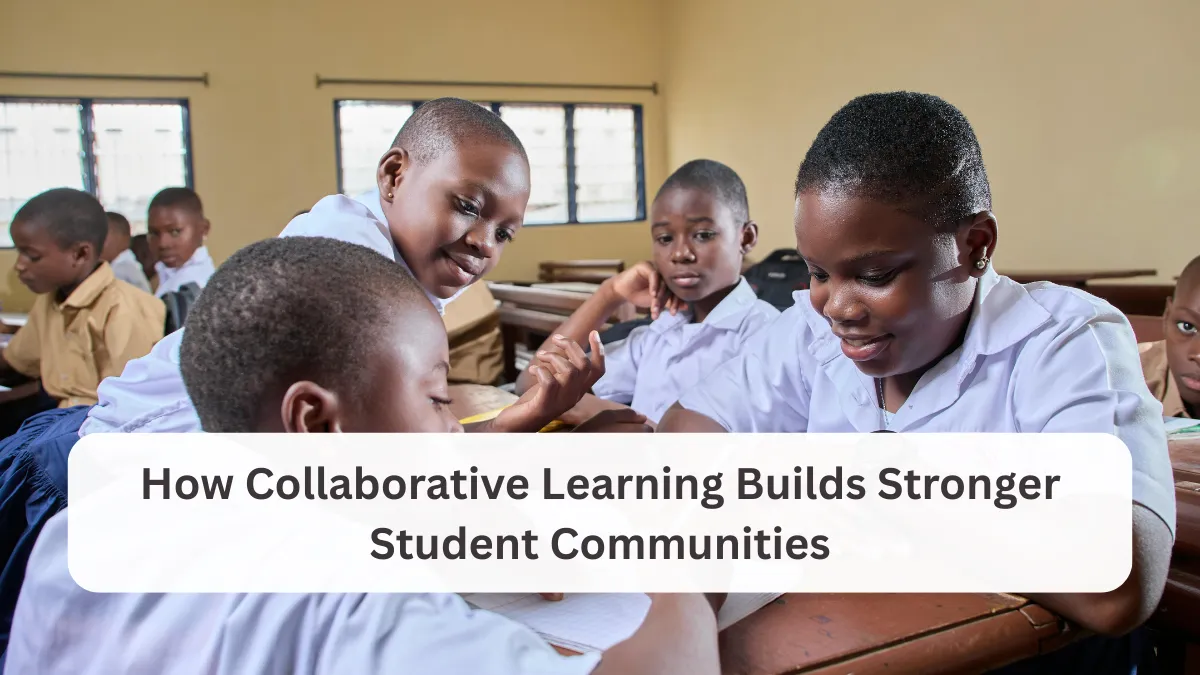
Collaborative learning shifts the focus to group efforts, turning isolated learners into a supportive network. It involves students working together on shared tasks, bouncing ideas, and relying on each other. US educators have long used it to spark engagement, with clear results in retention and satisfaction.
Picture a potluck dinner versus solo microwave meals. Collaboration lets everyone contribute their specialties, creating something richer. It mirrors workplaces where teams solve complex problems, giving students a head start on those skills.
 How Technology Is Making Learning More Fun and Effective
From my time tutoring at a Midwest community college, I watched loose acquaintances evolve into reliable study partners. Regular group sessions built trust that carried through tough exams and personal setbacks.
Key Benefits Seen in Real Classrooms
Deeper understanding tops the list. Teaching a concept to peers solidifies it in your mind. In a Texas high school biology lab I visited, students pairing up to dissect frog models explained processes far better than solo note-takers.
Empathy grows naturally. Navigating different opinions teaches patience and respect. Urban schools in Chicago cut bullying incidents after introducing team debates on community issues.
Motivation surges with accountability. When your group’s success depends on you, showing up feels essential. It fosters belonging, especially for first-gen students who might otherwise feel out of place.
Social skills sharpen too—listening, compromising, leading. These transfer to life beyond school, from job interviews to neighborhood involvement.
Step-by-Step Guide to Starting Collaborative Learning
Anyone can implement this—teachers, student leaders, or club advisors. Start simple, build steadily. Here’s a detailed roadmap with templates.
Step 1: Set Clear Group Goals and Roles
Kick off with a precise objective. For English class, try: “Build a podcast episode on the American Dream using three short stories.” Limit groups to 3-5 for manageability.
Assign roles early: researcher, note-taker, presenter, timekeeper. Here’s a quick template:
- Researcher: Gathers facts and sources.
- Note-taker: Tracks ideas and action items.
- Presenter: Prepares visuals and delivery.
- Timekeeper: Ensures balanced talk time.
In a Florida workshop I ran, this cut confusion and boosted efficiency. Add an icebreaker: “Share your favorite US road trip memory” to warm up.
Step 2: Choose Engaging, Team-Dependent Activities
Select tasks impossible alone. The jigsaw technique shines: Divide a history unit on World War II into battles, leaders, home front—each person masters one, then reassembles to teach.
For science, use “think-pair-share” on experiments. Math classes love error-analysis chains, where groups spot and fix mistakes in sample problems.
Incorporate hybrid options. Pennsylvania schools used “gallery walks”: Groups create posters on state history, rotate to critique others. For online, shared docs like Google Slides work seamlessly.
Aim for 45-60 minute sessions to maintain focus.
Step 3: Foster a Safe, Inclusive Space
Establish ground rules together: “Listen fully before responding,” “Build on ideas, don’t shut them down,” “Step up and step back as needed.”
Open with check-ins: “Highs and lows from last session?” Praise specifics: “Your example from the Great Depression really clarified that.”
For virtual setups, use Zoom breakout rooms with timers. In Virginia debate clubs I advised, anonymous feedback forms helped quieter voices emerge.
Address conflicts calmly: “Let’s pause and hear everyone’s side.”
Step 4: Reflect, Track, and Celebrate Progress
Debrief every time: 10 minutes on “What clicked? What flopped? One change for next time?” Use a shared log:
| Session | What Worked | What to Improve | Next Goal |
|---|---|---|---|
| 1 | Good roles | Uneven talking | Add timer |
Celebrate wins—a finished timeline gets a group photo or shout-out in class. Rotate roles weekly to build versatility.
An Ohio college group I mentored used this to resolve a dominant member issue through open votes.
Step 5: Expand to Broader Community Ties
With basics solid, scale up. Host “teach-ins” where groups present to the whole school on topics like local elections.
Link with off-campus spots: Libraries for book discussions, parks for outdoor challenges. Seattle students met at public libraries for eco-projects, inviting community members.
Form lasting clubs with alumni mentors. Track long-term impact via optional surveys: “How has this group helped you?”
Helpful Tips for Lasting Success
Mix groups by interests via quick polls: “Favorite subjects? Hometown size?” Rotate every 4-6 weeks.
Blend experience levels—freshmen with seniors—for natural mentoring. Boston programs saw freshmen GPAs rise 0.5 points this way.
Set discussion timers: 5 minutes per topic, then switch. Keeps momentum without rushing.
Free tools abound: Whiteboards for sketches, Padlet for virtual sticky notes, Flipgrid for video responses.
Involve parents subtly—share group highlights in newsletters to build home support.
Common Mistakes to Avoid and Fixes
Overloading with tasks burns out groups. Stick to one deliverable per session; build gradually.
Neglecting reflection lets problems fester. Always end with debriefs, even if short.
Overlooking introverts sidelines talent. Offer written inputs first, then verbal.
Poor pairings breed frustration. Survey preferences upfront: “Team size? Preferred topics?”
Dominant talkers derail balance. Use talking sticks or apps that track speaking time.
Forgetting follow-through weakens trust. Send recaps post-session with action items.
Real USA Examples That Prove It Works
Atlanta public schools mapped neighborhood evolution in teams, presenting to council members. Kids from different ZIP codes bonded over shared histories.
Denver’s community college “study pods” for night students included snack shares and childcare swaps, creating networks that lasted years.
Rural Kentucky teens collaborated on farm sustainability reports, visiting each other’s operations. It bridged isolated farms into a youth ag council.
In New Mexico tribal schools, groups wove cultural stories into STEM projects, strengthening heritage ties.
A Minnesota urban high school used music collaborations—writing songs on civil rights—to unite diverse bands.
These span coasts, sizes, and settings, showing adaptability.
FAQ’s
What if some students resist collaborating?
Start with voluntary pairs on fun topics. Share peer testimonials. Most join once they see fun results—give it 2-3 sessions.
How do you ensure fair workloads?
Roles plus peer rubrics: Rate contributions 1-5 anonymously. Visible trackers in shared sheets prompt early fixes.
Does this work fully online?
Yes—Discord for chats, Canva for collabs, regular video huddles. Mimic in-person with virtual whiteboards.
How soon do communities form?
4-6 weeks with weekly meets. Early icebreakers speed it; consistency seals bonds.
Suitable for all grade levels?
Tailor it: Simple pairs for elementary, complex projects for college. Working adults love career-tied tasks.
✨ You May Also Like ✨