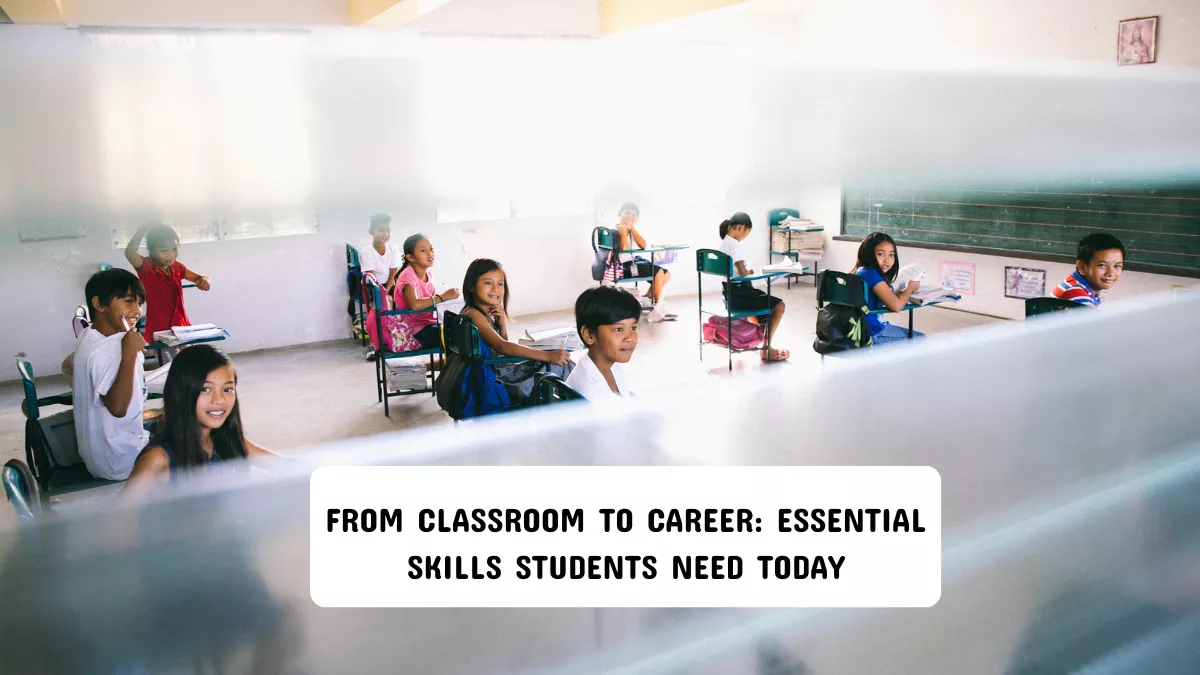
Transitioning from school to a professional career can be challenging. Many students graduate with theoretical knowledge but struggle to apply it in the workplace. Employers increasingly value practical skills, adaptability, and problem-solving abilities over academic credentials alone. Understanding the gap between classroom learning and real-world requirements is essential for students who want to succeed in today’s competitive job market.
Why Students Struggle to Bridge the Gap
Many students face difficulties when moving from academic life to professional work because schools often emphasize memorization and standardized testing rather than practical application. While theoretical knowledge is valuable, employers expect employees to think critically, communicate effectively, and work collaboratively.
 How Modern Teaching Methods Are Inspiring a New Generation of Learners
Additionally, rapidly changing technologies and industry standards mean that skills learned in school can become outdated quickly. Without a structured approach to acquiring career-ready skills, students risk feeling unprepared, overwhelmed, or underqualified when entering the workforce.
Key Skills Students Need Today
1. Communication Skills
Strong communication is critical in nearly every profession. Students often struggle to express ideas clearly in emails, presentations, or team discussions. Miscommunication can lead to errors, missed opportunities, or workplace conflicts.
 How Teachers Are Using Innovation to Transform Classrooms
Step-by-Step Guide to Improve Communication:
- Practice Writing Regularly: Start by maintaining a journal or blogging about school projects. Focus on clarity and conciseness.
- Engage in Public Speaking: Join clubs or online groups that offer presentation opportunities. Start with small audiences and gradually increase.
- Listen Actively: Pay attention to others’ ideas and ask questions for clarity. This ensures mutual understanding in discussions.
- Use Professional Tools: Learn proper email etiquette, grammar, and formatting. Tools like Grammarly can provide guidance.
Common Mistakes to Avoid:
Avoid using slang or overly casual language in professional settings. Do not assume others understand your perspective without proper explanation.
 Why Collaborative Learning Is the Future of Education
2. Critical Thinking and Problem-Solving
Employers value individuals who can analyze situations, identify problems, and propose practical solutions. Relying solely on memorized information is no longer enough.
Step-by-Step Guide to Develop Critical Thinking:
 The Secrets to Creating Engaging Lessons That Students Love
- Ask Questions: Challenge assumptions and explore multiple viewpoints before drawing conclusions.
- Analyze Real-World Problems: Use case studies or internships to practice evaluating business or organizational challenges.
- Break Problems into Steps: Identify the root cause, list possible solutions, and weigh pros and cons before deciding.
- Reflect on Decisions: After solving a problem, review what worked and what could improve next time.
Common Mistakes to Avoid:
Jumping to solutions without fully understanding the problem often leads to ineffective results.
3. Collaboration and Teamwork
Modern workplaces rely on teamwork and cross-functional collaboration. Students who only focus on individual performance may struggle in professional environments that require coordination with diverse groups.
 How Technology Is Making Learning More Fun and Effective
Step-by-Step Guide to Enhance Teamwork Skills:
- Participate in Group Projects: Volunteer for leadership or support roles to understand group dynamics.
- Communicate Clearly: Share ideas and listen to teammates’ input. Respect differing opinions.
- Define Roles and Responsibilities: Clarify expectations within the team to prevent confusion or overlap.
- Practice Conflict Resolution: Address disagreements calmly and professionally. Focus on solutions, not blame.
Common Mistakes to Avoid:
Avoid dominating conversations or ignoring team members’ contributions. Failure to collaborate effectively can damage relationships and project outcomes.
4. Time Management and Organization
Students often struggle to balance coursework, extracurricular activities, and personal life. Time management skills are crucial for meeting deadlines and reducing stress in both school and professional settings.
Step-by-Step Guide to Manage Time Effectively:
- Prioritize Tasks: Use tools like to-do lists or digital apps to identify high-priority tasks.
- Set Realistic Goals: Break large projects into smaller, manageable steps with deadlines.
- Eliminate Distractions: Limit social media or multitasking during study or work sessions.
- Review and Adjust: At the end of each week, evaluate what worked and adjust your schedule accordingly.
Common Mistakes to Avoid:
Procrastination and overcommitting to tasks can result in missed deadlines and poor performance.
5. Digital Literacy
In today’s workplace, digital skills are essential. From basic software proficiency to understanding online collaboration platforms, students must be comfortable using technology to stay competitive.
Step-by-Step Guide to Build Digital Literacy:
- Master Core Software: Learn productivity tools like Microsoft Office, Google Workspace, and project management platforms.
- Explore Online Learning Platforms: Take online courses or tutorials to expand technical skills relevant to your field.
- Practice Safe Online Behavior: Understand cybersecurity basics, data privacy, and professional online conduct.
- Stay Updated: Technology evolves quickly; follow industry news and trends to remain current.
Common Mistakes to Avoid:
Relying solely on theoretical knowledge or ignoring software updates can leave students unprepared for tech-dependent workplaces.
6. Adaptability and Resilience
Career paths are rarely linear. Students must adapt to changes, handle setbacks, and continue learning throughout their lives. Resilience helps manage stress and maintain motivation during challenges.
Step-by-Step Guide to Develop Adaptability:
- Embrace Change: View unexpected situations as opportunities for growth.
- Learn from Failure: Analyze mistakes to understand lessons rather than dwelling on them.
- Expand Skill Sets: Continuously acquire new skills to remain flexible and valuable in the workplace.
- Practice Stress Management: Use techniques like exercise, mindfulness, or scheduling breaks to maintain mental health.
Common Mistakes to Avoid:
Resisting change or avoiding challenges can limit personal growth and career opportunities.
7. Networking and Professional Relationships
Building connections can open doors to internships, job opportunities, and mentorship. Students often underestimate the importance of professional networking.
Step-by-Step Guide to Effective Networking:
- Attend Events: Join local career fairs, workshops, or online webinars.
- Connect with Alumni: Reach out to former students or professionals in your field.
- Maintain Relationships: Follow up with contacts periodically and offer assistance when possible.
- Use Social Platforms Wisely: LinkedIn and professional forums can help establish credibility and visibility.
Common Mistakes to Avoid:
Avoid networking solely for personal gain or sending generic messages without building genuine connections.
Helpful Tips for Success
- Start Early: Developing these skills in high school or college increases career readiness.
- Seek Feedback: Constructive criticism helps refine skills and identify growth areas.
- Engage in Real Experiences: Internships, volunteering, and part-time jobs provide practical application.
- Balance Learning: Combine soft skills like communication with technical abilities for a well-rounded profile.
FAQ
Why are soft skills important for students today?
Soft skills like communication, teamwork, and problem-solving allow students to adapt to professional environments, handle challenges, and collaborate effectively.
How can students improve time management while studying?
Students can use prioritization, goal setting, scheduling tools, and regular review to manage tasks efficiently and reduce stress.
What is digital literacy, and why does it matter?
Digital literacy involves understanding and using technology safely and effectively. Employers expect students to be comfortable with software, collaboration platforms, and online tools.
Can internships really help bridge classroom knowledge and career skills?
Yes, internships provide hands-on experience, expose students to workplace expectations, and allow them to apply theoretical knowledge in real-world scenarios.
How can students build resilience for future careers?
Resilience develops through challenges, learning from failures, maintaining a growth mindset, and practicing stress management techniques.
Conclusion
Moving from classroom learning to a professional career requires more than academic knowledge. Students must cultivate a mix of soft and technical skills, including communication, critical thinking, teamwork, time management, digital literacy, adaptability, and networking.
By taking practical steps, seeking real-world experiences, and continuously reflecting on personal growth, students can navigate the transition successfully. Developing these essential skills today ensures readiness for the challenges and opportunities of tomorrow’s workplace, ultimately building a foundation for lifelong career success.
✨ You May Also Like ✨