Across the United States, educators, parents, and policymakers face a common challenge: how to prepare children and young adults for careers in science, technology, engineering, and mathematics (STEM). Despite the growing demand for STEM professionals, many students struggle to engage with these subjects early on.
This lack of interest or preparation can limit opportunities for innovation and economic growth. Understanding why this problem exists and how to address it can help families, schools, and communities guide students toward success.
 How Modern Teaching Methods Are Inspiring a New Generation of Learners
Why STEM Education Challenges Occur
Several factors contribute to the difficulties in promoting STEM education. One reason is a lack of exposure. Many schools, particularly in rural or underfunded areas, do not provide access to advanced STEM courses or hands-on learning opportunities. Without early exposure, students may perceive STEM subjects as overly difficult or irrelevant.
Another factor is teaching methods. Traditional lecture-based instruction often fails to connect classroom content with real-world applications. Students may memorize formulas or scientific facts without understanding how they are used in everyday life or future careers.
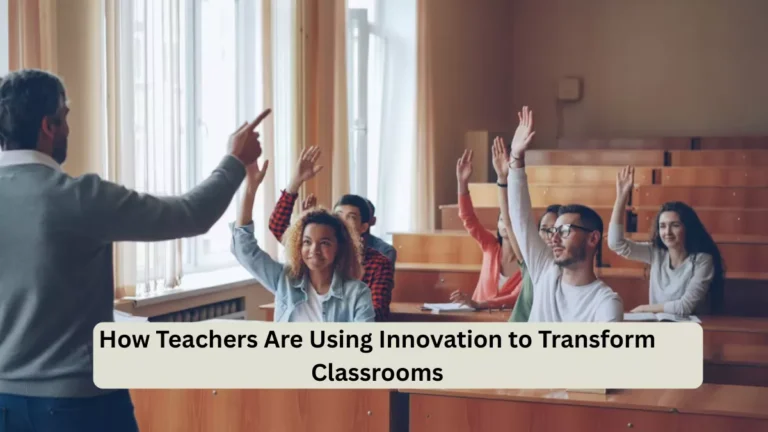
 How Teachers Are Using Innovation to Transform Classrooms
Finally, societal and cultural influences play a role. STEM fields have historically been male-dominated, which can discourage girls and young women from pursuing these subjects. Similarly, students from underrepresented communities may face stereotypes or lack role models in STEM careers, further limiting their engagement.
Step-by-Step Solutions to Strengthen STEM Education
Addressing these challenges requires a multi-layered approach that combines exposure, practical learning, and mentorship. Below are actionable steps for parents, educators, and communities to support STEM education.
 Why Collaborative Learning Is the Future of Education
1. Early Exposure to STEM Activities
Introducing children to STEM concepts early can spark curiosity and confidence. Simple activities like building with blocks, exploring basic coding, or conducting simple science experiments at home can make learning fun and tangible. For example, parents can use household items to demonstrate basic physics principles, such as using a ramp and toy cars to explore motion and friction.
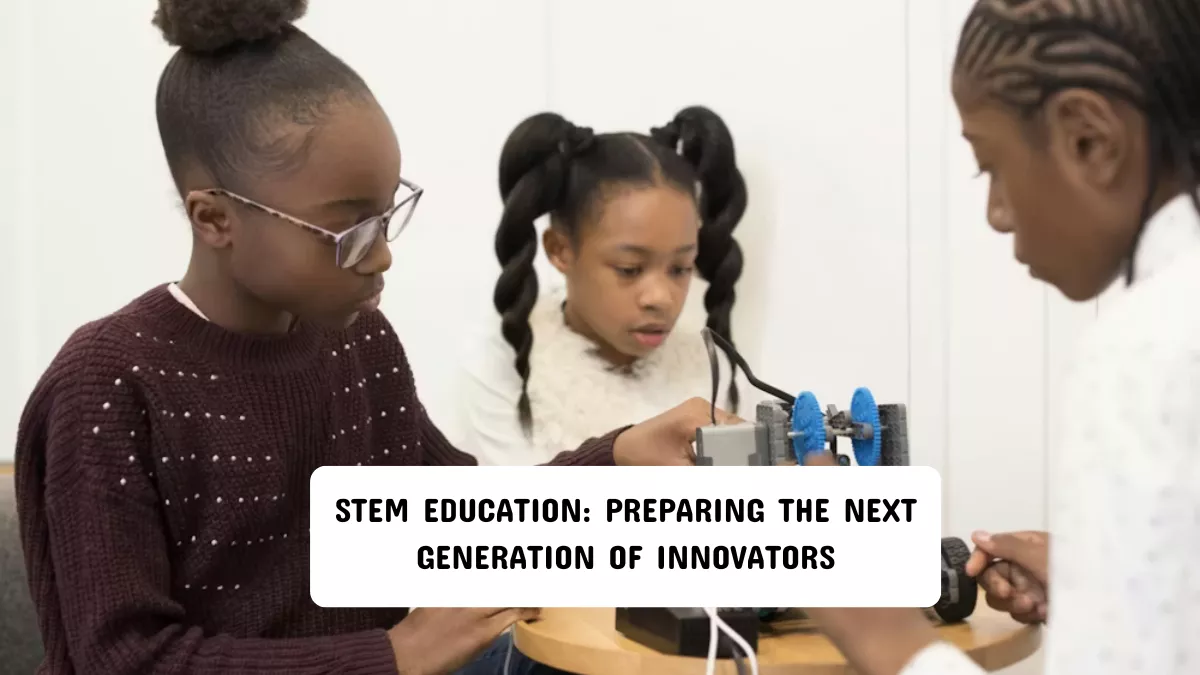
Schools can complement this with after-school STEM clubs or robotics programs. Even short, hands-on activities help students see that STEM is approachable, practical, and enjoyable.
 The Secrets to Creating Engaging Lessons That Students Love
2. Connecting Classroom Learning to Real-World Applications
Students often disengage from STEM because it feels abstract. Educators can bridge this gap by linking lessons to real-world problems. For instance, a math lesson on statistics can involve analyzing local weather patterns, or a chemistry project can examine water quality in the community.
Field trips to local science museums, tech companies, or university labs provide students with tangible examples of STEM in action. These experiences demonstrate that STEM skills are not just theoretical—they are tools for solving practical problems.
 How Technology Is Making Learning More Fun and Effective
3. Encouraging Problem-Solving and Critical Thinking
STEM education is not just about memorizing facts; it emphasizes problem-solving, creativity, and innovation. Teachers can create project-based assignments where students design solutions to everyday issues.
For example, students could create a simple app to track energy use at school or design a small-scale model of a sustainable garden. These projects foster analytical thinking, collaboration, and practical application of STEM concepts.
4. Leveraging Technology and Online Resources
Technology can supplement traditional teaching methods, making STEM learning more interactive and accessible. Online platforms provide coding tutorials, virtual labs, and interactive simulations that reinforce classroom lessons.
For example, free websites offer step-by-step coding lessons for beginners, while virtual chemistry labs allow students to experiment safely with reactions and measurements. Integrating these tools into lessons keeps students engaged and prepares them for technology-driven careers.
5. Promoting Mentorship and Role Models
Mentorship is critical for inspiring students to pursue STEM careers. Schools and community organizations can connect students with professionals in STEM fields. These mentors provide guidance, answer questions, and share real-world experiences.
Highlighting diverse role models is equally important. Girls, students of color, and other underrepresented groups benefit from seeing professionals who reflect their backgrounds. Mentorship programs and guest speaker events can create a supportive network, helping students overcome stereotypes and self-doubt.
6. Providing Access to Resources and Support
Inequities in education can hinder STEM success. Ensuring students have access to textbooks, lab equipment, and extracurricular opportunities is essential. Local libraries, community centers, and nonprofit organizations often provide free or low-cost STEM resources.
Scholarship programs and summer camps focused on STEM can also help bridge the gap. Schools and communities can work together to identify students with potential and provide the support they need to thrive.
7. Encouraging a Growth Mindset
A growth mindset—the belief that abilities can improve with effort—is vital in STEM learning. Students often avoid STEM subjects because they fear failure or feel they are “not good at math or science.” Encouraging resilience, persistence, and curiosity helps students view challenges as opportunities to learn.
Parents and teachers can praise effort, experimentation, and problem-solving rather than just correct answers. Celebrating small successes builds confidence and motivates continued learning.
Helpful Tips and Common Mistakes to Avoid
- Start Small: Introducing STEM gradually is more effective than overwhelming students with complex topics. Begin with simple experiments or coding exercises.
- Focus on Understanding, Not Memorization: Encourage students to ask questions and explore why things work rather than just memorizing formulas or definitions.
- Balance Structure and Creativity: Provide guidance, but allow students to experiment and innovate. Overly rigid instruction can stifle curiosity.
- Avoid Gender or Cultural Biases: Ensure all students feel welcome and capable of pursuing STEM, regardless of background.
- Consistent Engagement: Regular practice and exposure are more beneficial than occasional intensive sessions. Make STEM learning part of the daily routine.
FAQ
At what age should children start learning STEM concepts?
Children can start engaging with STEM as early as preschool. Simple activities like counting, sorting, building blocks, or basic experiments can lay a foundation for more advanced learning later.
How can parents support STEM learning at home?
Parents can provide hands-on activities, encourage curiosity, use online resources, and connect lessons to everyday experiences, like measuring ingredients while cooking or exploring nature.
Are online STEM programs effective for beginners?
Yes, many online platforms offer interactive, beginner-friendly lessons. They are especially helpful when combined with real-world practice and mentorship.
How can schools encourage more girls to pursue STEM?
Schools can highlight female role models, create inclusive programs, address stereotypes, and provide mentorship opportunities that support girls’ confidence and interest in STEM.
What are some low-cost ways to introduce STEM outside of school?
Community centers, libraries, science museums, and free online resources provide accessible STEM learning opportunities. Simple experiments with household items also work well.
Conclusion: Building a Strong STEM Foundation
STEM education is essential for preparing the next generation of innovators in the United States. By addressing barriers such as limited exposure, outdated teaching methods, and societal biases, parents, educators, and communities can make STEM accessible and engaging for all students. Early hands-on activities, real-world applications, mentorship, and supportive resources cultivate critical thinking, creativity, and problem-solving skills.
Encouraging a growth mindset ensures students feel confident tackling challenges. By taking these steps, we can equip young learners with the tools they need to succeed in STEM fields, contributing to a stronger, more innovative future.
✨ You May Also Like ✨