Education is no longer confined to chalkboards, textbooks, and rows of desks. Across the globe, teachers are embracing innovation to redefine what learning looks like and how students engage with knowledge. From integrating cutting-edge technology to reimagining lesson plans, these educators are creating dynamic environments where curiosity thrives, creativity is nurtured, and learning becomes a personalized journey.
The stakes are high: students today face rapidly changing demands in the workforce, a constantly evolving global society, and unprecedented access to information. Innovative teaching is no longer optional; it is essential. In this article, we explore how teachers are transforming classrooms through innovation, the methods and tools they use, and the tangible impacts on student outcomes.
 How Modern Teaching Methods Are Inspiring a New Generation of Learners
Embracing Technology to Enhance Learning
One of the most visible changes in modern classrooms is the integration of technology. Teachers are leveraging digital tools to create immersive, interactive experiences that engage students beyond traditional instruction. Tablets, smartboards, and educational software allow for real-time feedback, adaptive learning, and interactive simulations. For example, science teachers can use virtual labs to replicate complex experiments that would otherwise be impossible or unsafe in a typical classroom.
Similarly, math teachers are employing gamified apps to reinforce concepts, making abstract theories more tangible and enjoyable. By using technology not as a supplement but as a central teaching tool, educators are tailoring learning experiences to meet the diverse needs of their students, promoting both engagement and mastery.
 Why Collaborative Learning Is the Future of Education
Personalized Learning for Every Student
Innovation in the classroom is not just about technology; it is also about redefining pedagogy. Personalized learning strategies are gaining momentum as teachers recognize that every student learns differently. By assessing individual strengths, weaknesses, and learning styles, teachers can create targeted lesson plans that optimize each student’s potential. Some classrooms now employ adaptive software that adjusts the difficulty of assignments in real time, allowing faster learners to advance while providing additional support to those who need it.
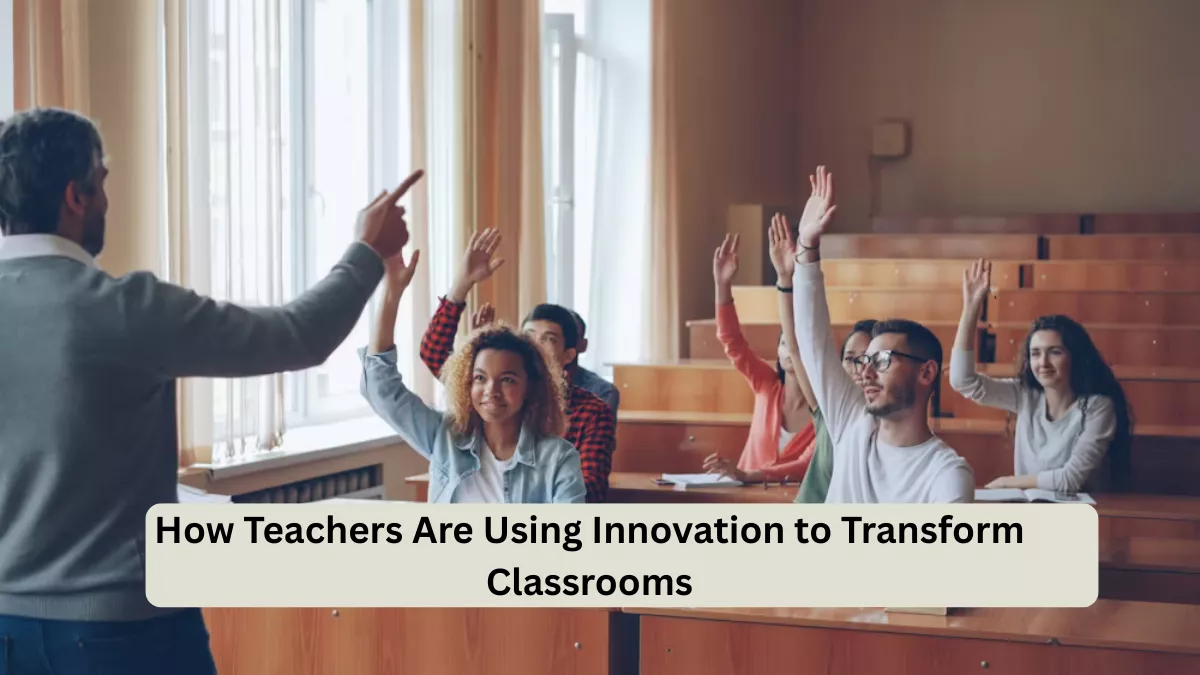
Beyond technology, innovative teachers are also experimenting with flexible seating arrangements, project-based learning, and student-led discussions. These strategies encourage autonomy, foster critical thinking, and help students take ownership of their education.
 The Secrets to Creating Engaging Lessons That Students Love
Project-Based and Experiential Learning
Another innovative approach transforming classrooms is project-based and experiential learning. Instead of passively receiving information, students actively engage in projects that connect academic concepts to real-world problems. For instance, students in social studies classes may collaborate on community-based initiatives, exploring local history or environmental issues, while simultaneously developing research, communication, and teamwork skills.
Science classes may incorporate citizen science projects where students collect and analyze data to contribute to actual research. By linking lessons to tangible outcomes, teachers are making learning relevant and meaningful. This approach not only deepens comprehension but also equips students with the soft skills they need for future success, such as collaboration, problem-solving, and adaptability.
 How Technology Is Making Learning More Fun and Effective
Incorporating Social-Emotional Learning
Innovative classrooms also recognize the importance of social-emotional learning (SEL). Teachers are introducing practices that support students’ emotional intelligence, resilience, and mental well-being. This can include mindfulness exercises, reflective journaling, or structured discussion circles that help students navigate social dynamics and manage stress.
Integrating SEL into academic instruction ensures that students are not only gaining intellectual knowledge but also developing essential life skills. For example, group projects in which students must negotiate roles or solve conflicts teach empathy, communication, and leadership. Classrooms that emphasize social-emotional growth create more inclusive and supportive learning environments, enhancing both academic performance and overall student well-being.
 How Education Is Evolving to Meet the Needs of Tomorrow’s Learners
Leveraging Data to Drive Instruction
Data-driven instruction is another hallmark of innovative teaching. By analyzing student performance metrics, attendance records, and engagement patterns, teachers can make informed decisions to refine their instructional approaches. For example, frequent formative assessments can highlight areas where students struggle, allowing teachers to intervene proactively before gaps in understanding widen.
Similarly, learning analytics can identify which teaching strategies are most effective for specific groups, enabling continuous improvement. Teachers are no longer relying solely on intuition; instead, they use evidence to personalize lessons, optimize pacing, and monitor progress. This systematic approach ensures that instruction is both efficient and impactful, leading to measurable improvements in student outcomes.
Collaboration and Professional Growth
Innovation in the classroom is also fueled by collaboration among educators. Teachers are increasingly sharing resources, lesson plans, and best practices through professional learning communities, both online and offline. Peer observation, co-teaching, and cross-disciplinary projects allow educators to experiment with new strategies, gain feedback, and refine their techniques.
Many schools encourage teacher-led workshops and innovation labs where ideas can be piloted before scaling to entire classrooms. This collaborative mindset ensures that innovation is sustainable, scalable, and responsive to student needs. By investing in continuous professional growth, teachers not only enhance their own expertise but also drive systemic improvements across schools.
Challenges and Strategies for Successful Implementation
Despite the benefits, integrating innovation into classrooms is not without challenges. Limited budgets, unequal access to technology, and resistance to change can hinder progress. Additionally, teachers must balance creativity with curriculum requirements and standardized testing pressures. Successful implementation requires careful planning, ongoing professional development, and support from school leadership.
Teachers often start small, piloting one innovative approach in a single class before expanding. Open communication with parents and students also plays a critical role in fostering acceptance and understanding. By addressing barriers strategically, educators can ensure that innovation translates into meaningful learning experiences for all students.
Measuring Impact and Outcomes
Evaluating the impact of classroom innovation is crucial to justify its continued use and to identify areas for improvement. Teachers can track outcomes through academic performance, engagement metrics, and student feedback. Research shows that students in innovative learning environments often demonstrate higher motivation, deeper understanding of content, and improved collaboration skills.
Longitudinal studies also indicate that project-based learning, personalized instruction, and integrated technology contribute to higher retention rates and greater academic achievement. By systematically measuring outcomes, teachers can refine strategies, share successes with peers, and advocate for broader adoption of innovative practices in education.
The Future of Classroom Innovation
Looking forward, the possibilities for classroom innovation are expansive. Emerging technologies like artificial intelligence, augmented reality, and virtual reality offer new ways to visualize complex concepts, simulate experiences, and provide personalized feedback at scale. At the same time, pedagogical innovation continues to evolve, emphasizing creativity, critical thinking, and real-world problem solving.
Teachers who remain curious, flexible, and committed to lifelong learning will lead the way in creating classrooms that prepare students for the complexities of the modern world. The ultimate goal is not just to impart knowledge, but to cultivate adaptable, confident, and engaged learners who can thrive in any environment.
Conclusion
Teachers are redefining the boundaries of the classroom through innovation, combining technology, personalized instruction, experiential learning, and social-emotional support. These strategies create engaging, meaningful, and inclusive learning environments where students develop both academic skills and life competencies. While challenges exist, thoughtful planning, collaboration, and data-driven decision-making make innovation achievable and sustainable.
The evidence is clear: classrooms that embrace innovation produce students who are motivated, capable, and prepared for the future. By continuing to experiment, learn, and share best practices, educators can transform learning into an inspiring journey rather than a routine task.
FAQs
How can teachers use technology effectively in classrooms?
Teachers can integrate apps, virtual labs, and smartboards to create interactive lessons and provide real-time feedback.
What is personalized learning in education?
Personalized learning tailors lessons to individual student needs, learning styles, and pace for better understanding.
How does project-based learning benefit students?
Project-based learning connects lessons to real-world problems, enhancing engagement, collaboration, and critical thinking skills.
Why is social-emotional learning important in schools?
SEL develops students’ emotional intelligence, resilience, and communication skills, supporting both academic and personal growth.
How can teachers measure the success of innovative strategies?
Success is measured using student performance, engagement metrics, feedback, and improvements in skills and comprehension.
✨ You May Also Like ✨