Imagine a world where a student in Kenya collaborates on a science project with a class in Japan, while a teacher in Canada mentors learners in Brazil — all in real-time. This vision is no longer a dream but a reality taking shape through global classrooms. In today’s interconnected world, education is rapidly evolving beyond traditional boundaries. Technology, global citizenship values, and a shared desire for inclusivity have turned education into a borderless experience.
The rise of global classrooms matters because it’s redefining what learning means in the 21st century. It empowers students to explore diverse perspectives, builds cultural empathy, and equips them with the skills needed for a globalized workforce. This article explores how global classrooms are transforming education, the technologies enabling this change, and how schools and students can embrace this global shift.
 How Modern Teaching Methods Are Inspiring a New Generation of Learners
The Meaning and Evolution of Global Classrooms
Global classrooms refer to educational environments where students from different countries engage in shared learning experiences using digital tools. This concept began as simple pen-pal exchanges decades ago but has evolved into dynamic virtual collaborations. Today, students don’t just share letters — they share virtual labs, live discussions, and cross-cultural projects that develop critical thinking and communication skills.
As technology advanced, initiatives like virtual exchanges and international e-learning programs became common. Schools across continents are now designing joint curricula that merge global history, sustainability, and social responsibility. The essence of global classrooms is not only technological connection but also intellectual and cultural integration.
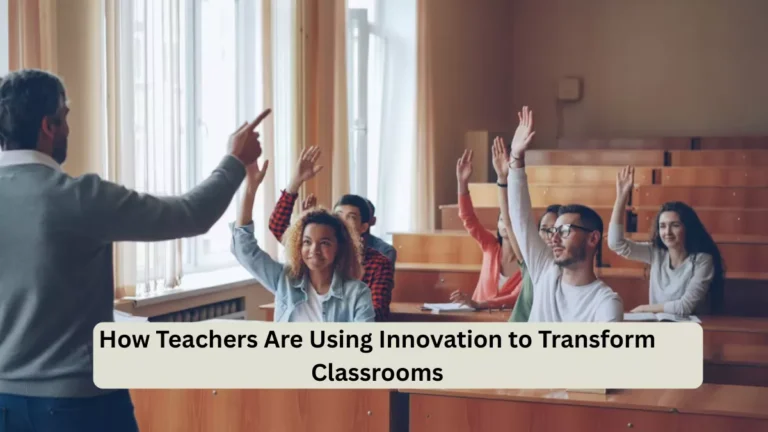
 How Teachers Are Using Innovation to Transform Classrooms
Technology: The Engine Behind Global Learning
Technology serves as the backbone of this educational revolution. Cloud-based platforms, virtual meeting tools, and AI-powered translation software have made global classrooms accessible to anyone with an internet connection. Students no longer need to travel to gain international exposure; they can experience cultural exchange through their screens.
Interactive tools such as virtual whiteboards, augmented reality, and collaborative project spaces allow teachers to simulate real-world scenarios. A history teacher in Singapore might use virtual reality to guide students through ancient Rome, while their counterparts in Italy add context from their own heritage. These immersive experiences turn abstract lessons into tangible global explorations.
 Why Collaborative Learning Is the Future of Education
Artificial intelligence is also bridging language barriers. Real-time translation tools are enabling seamless communication between students from different linguistic backgrounds, fostering inclusivity and equal participation.
Building Cultural Intelligence and Global Awareness
One of the most significant benefits of global classrooms is the development of cultural intelligence — the ability to understand, respect, and work with people from diverse cultures. When students learn side by side with peers from other nations, they gain perspectives that textbooks alone cannot offer.
 The Secrets to Creating Engaging Lessons That Students Love
Cultural exchange in classrooms helps break down stereotypes and promotes empathy. For example, a social studies project involving students from India and Canada might highlight how climate change impacts agriculture in different environments. This shared learning experience encourages mutual understanding and collective problem-solving.
Moreover, teachers play a crucial role in guiding students to appreciate cultural differences while emphasizing universal human values. Through dialogue and collaboration, learners become global citizens who think critically about international issues such as sustainability, equity, and technology ethics.
 How Technology Is Making Learning More Fun and Effective
Collaboration Over Competition: Shifting the Educational Mindset
Traditional education systems often emphasize competition — higher grades, better test scores, and rankings. Global classrooms, however, are shifting the focus toward collaboration. When students from different countries collaborate on projects, success depends on teamwork, communication, and adaptability rather than individual performance.
This collaborative spirit prepares students for the modern workforce, where cross-cultural teamwork is a standard expectation. Businesses increasingly seek employees who can operate across time zones, respect diverse viewpoints, and lead international teams. Global classrooms act as early training grounds for these essential soft skills.
Furthermore, shared problem-solving encourages innovation. When students brainstorm with peers from different cultural and educational backgrounds, they generate fresh ideas and creative approaches to complex challenges. This blend of perspectives mirrors how global companies drive innovation today.
The Role of Teachers in a Global Learning Ecosystem
Teachers are no longer limited to instructing within classroom walls; they have become global facilitators. Their role has expanded to include mentoring, moderating, and connecting learners across the world. Educators now collaborate with peers in other countries to design interdisciplinary lessons that align with multiple educational standards.
Professional development opportunities have also gone global. Teachers join international workshops, participate in cross-border research, and share best practices in virtual forums. This global network of educators ensures continuous improvement in teaching methods and promotes inclusivity in education.
In addition, teachers must be skilled in digital pedagogy — the art of teaching effectively using technology. This includes understanding how to manage online classrooms, foster engagement in virtual discussions, and assess students fairly across different learning environments.
Overcoming Challenges in Global Education
While global classrooms offer incredible opportunities, they also come with challenges. One of the biggest barriers is unequal access to technology. Many students in developing regions still lack reliable internet or digital devices, limiting their participation. Bridging this digital divide is essential to ensure true global inclusivity.
Time zone differences present another hurdle. Coordinating lessons across continents requires careful scheduling and flexibility from both students and teachers. Institutions are now adopting asynchronous learning models, allowing students to access materials and submit assignments at their convenience while still participating in group discussions.
Cultural misunderstandings can also occur. Educators must approach sensitive topics with cultural awareness and encourage open dialogue. Creating safe and respectful online spaces ensures that students from all backgrounds feel valued.
The Economic and Social Impact of Global Classrooms
Global classrooms are not just transforming education — they are influencing economies and societies. By connecting students globally, education becomes a powerful tool for diplomacy and mutual respect. Students who engage in cross-border learning often develop a global mindset that influences their career choices and leadership styles.
Economically, these connections prepare students for international job markets. Universities and employers now value candidates who demonstrate global awareness and digital fluency. Global classrooms provide real-world exposure that gives learners a competitive edge in industries such as technology, healthcare, business, and international relations.
Socially, this interconnected approach promotes inclusivity. Students learn to address issues like inequality, climate change, and peacebuilding through collective knowledge. Education becomes a unifying force that transcends national boundaries.
The Future of Global Classrooms
The future of global classrooms will be shaped by innovation, collaboration, and a shared commitment to accessibility. Emerging technologies like virtual reality, blockchain credentials, and AI tutors will make education more immersive and secure. As connectivity improves worldwide, even remote communities will join the global learning network.
In the coming decade, global education will likely become a norm rather than a novelty. Schools may form permanent partnerships across continents, and students could graduate with international academic experiences as part of their core education.
Governments, educational institutions, and tech companies will need to collaborate to ensure equitable access, ethical data use, and culturally sensitive content. The ultimate goal is not just connected classrooms but connected minds capable of driving global progress.
How Students and Schools Can Embrace Global Learning
For students, embracing global learning means cultivating curiosity and open-mindedness. They can start by participating in online exchange programs, joining international clubs, or collaborating on global digital projects. Developing skills in communication, adaptability, and cultural sensitivity is key to thriving in global classrooms.
Schools can support this transition by integrating global perspectives into their curricula. Encouraging cross-border partnerships, training teachers in digital learning methods, and investing in reliable infrastructure are essential steps. Schools that adopt these practices not only enhance academic outcomes but also prepare their students for a borderless future.
Parents and communities also play an important role by fostering an environment that values diversity and inclusivity. Encouraging students to explore global issues and perspectives helps them grow into informed, compassionate world citizens.
Conclusion: A Borderless Future for Education
The rise of global classrooms signals a turning point in human education. For the first time, knowledge transcends geography, culture, and language — connecting minds from every corner of the planet. Students today are not only learning about the world; they are learning with the world.
Global classrooms promote collaboration, empathy, and innovation — the pillars of a sustainable and peaceful future. As technology continues to evolve, the dream of equitable, global education becomes ever more achievable. The classroom of tomorrow is already here, and it belongs to everyone.
FAQs
What is a global classroom?
A global classroom connects students from different countries for shared learning through digital platforms and collaborative projects.
Why are global classrooms important?
They promote cultural understanding, digital literacy, and global awareness, preparing students for an interconnected world.
How do teachers manage global classrooms?
Teachers use digital tools, flexible schedules, and culturally sensitive teaching methods to engage diverse learners worldwide.
What skills do students gain from global classrooms?
Students develop teamwork, communication, cultural intelligence, and problem-solving skills relevant to global careers.
What challenges do global classrooms face?
Challenges include unequal tech access, time zone coordination, and managing cultural differences respectfully.
✨ You May Also Like ✨