Education has entered a new era, one where chalkboards are replaced by interactive screens and learning is no longer limited to the four walls of a classroom. The rise of digital classrooms is transforming how students engage, collaborate, and absorb knowledge.
This shift is not just a technological change—it’s a fundamental rethinking of education itself. In today’s fast-paced digital age, schools and universities are adapting to meet the learning styles of modern students who are more connected and tech-savvy than ever before. Understanding how digital classrooms are redefining education helps parents, teachers, and students prepare for the evolving future of learning.
 How Modern Teaching Methods Are Inspiring a New Generation of Learners
The Evolution of Traditional Learning
For decades, education followed a fixed model: a teacher at the front of a room, textbooks on desks, and lectures as the primary method of instruction. While this model worked for a long time, it often lacked flexibility and personalized engagement. The traditional classroom made it challenging to cater to diverse learning paces and styles. Students who learned differently or required additional resources were often left behind.
The introduction of digital tools changed that. From projectors and PowerPoint slides to online resources and educational apps, schools began integrating technology to enhance learning. What started as a supplemental approach has now become the foundation of modern education. Digital classrooms offer interactive, personalized, and data-driven environments that adapt to each student’s needs.
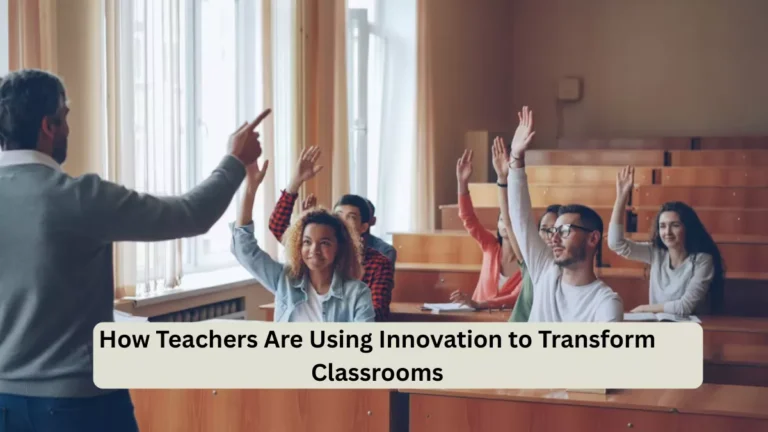
 How Teachers Are Using Innovation to Transform Classrooms
What Is a Digital Classroom?
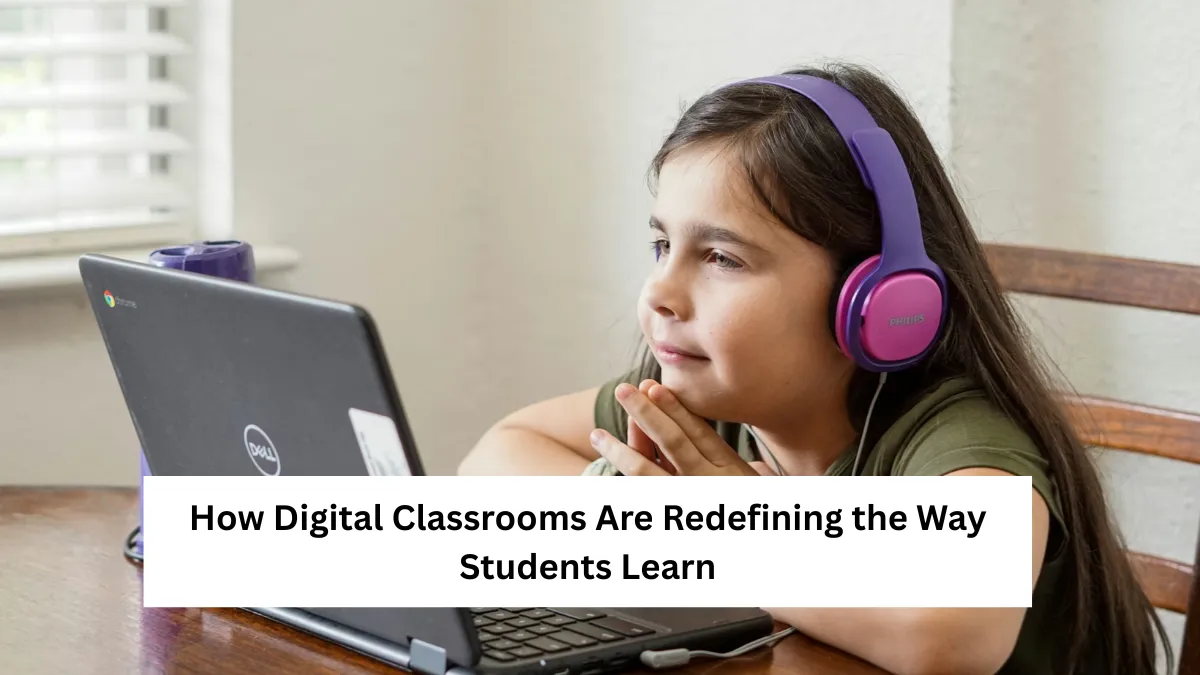
A digital classroom is an interactive learning environment that uses technology to facilitate teaching and collaboration. Instead of relying solely on textbooks and physical notes, lessons are delivered through devices like laptops, tablets, and smartboards. Learning platforms such as Google Classroom, Microsoft Teams, and Zoom have become essential tools in this system.
Digital classrooms also leverage multimedia elements such as videos, animations, and simulations to explain complex topics. Students can access recorded lectures, participate in virtual discussions, and even collaborate on projects with peers from different parts of the world. This level of interactivity and accessibility makes learning more engaging and efficient.
 Why Collaborative Learning Is the Future of Education
How Digital Classrooms Empower Students
Digital classrooms empower students by giving them more control over their learning. Unlike traditional settings where information flows only from teacher to student, digital platforms encourage participation and self-paced learning. Students can review lessons anytime, revisit difficult topics, and access additional resources.
This flexibility is especially valuable for students with varied learning speeds. For example, visual learners can benefit from video lessons, while auditory learners may prefer podcasts or recorded lectures. Technology also helps break geographical barriers, enabling students in remote areas to access the same quality education as those in urban centers.
 The Secrets to Creating Engaging Lessons That Students Love
Moreover, digital classrooms foster creativity and problem-solving. Through tools like coding software, virtual labs, and design programs, students can experiment, innovate, and apply knowledge practically. This hands-on approach helps develop critical thinking—one of the most essential skills for the future workforce.
The Role of Teachers in a Digital World
While technology plays a major role, teachers remain the cornerstone of effective education. The digital shift doesn’t replace teachers—it redefines their role. In a digital classroom, educators act as facilitators and mentors rather than just information providers.
 How Technology Is Making Learning More Fun and Effective
Teachers use analytics tools to monitor student progress, identify learning gaps, and tailor instruction accordingly. This data-driven approach helps ensure that every student receives personalized attention. Additionally, teachers can use digital platforms to create dynamic content, provide instant feedback, and maintain communication beyond class hours.
However, the transition requires training and adaptability. Educators must be proficient in using digital tools, managing online environments, and ensuring digital safety. Continuous professional development is vital to help teachers maximize the potential of technology in classrooms.
Benefits of Digital Classrooms
Digital classrooms offer multiple benefits beyond flexibility. They make learning more inclusive, engaging, and accessible. Students who previously struggled to keep up can now learn at their own pace, while those who excel can explore advanced topics independently.
Environmental sustainability is another advantage. Paperless classrooms reduce waste and promote eco-friendly practices. Furthermore, digital systems simplify administrative tasks—attendance, grading, and reporting can be automated, saving valuable time for both teachers and students.
Collaboration is also enhanced. Virtual discussions and group projects encourage communication and teamwork, even among students located in different regions. These experiences not only improve academic performance but also prepare students for global collaboration in their future careers.
Challenges and How to Overcome Them
Despite its advantages, the shift to digital learning comes with challenges. Unequal access to technology remains a major concern. Students in low-income or rural areas may lack reliable internet connections or digital devices, creating a “digital divide.” Governments and educational institutions are working to close this gap through subsidies, community internet programs, and device distribution initiatives.
Another challenge is screen fatigue. Long hours of digital engagement can strain the eyes and reduce focus. To combat this, educators are encouraged to integrate balanced schedules, promote offline activities, and include frequent breaks.
Cybersecurity is also a critical issue. Schools must ensure that student data remains protected and that online environments are safe. Proper training, secure networks, and responsible usage policies can help mitigate risks.
Real-World Examples of Digital Learning Success
Countries around the world are embracing digital education at an impressive pace. In Finland, schools integrate technology seamlessly into their teaching models, emphasizing creativity and personalized learning. In India, government initiatives like “Digital India” aim to connect schools nationwide with e-learning resources. Similarly, universities in the United States are adopting hybrid models where students can attend lectures both online and in person.
These examples show that digital classrooms are not just temporary solutions—they represent the future of education. The adaptability and scalability of digital learning make it suitable for all levels, from elementary schools to higher education and professional training.
Actionable Tips for Students and Educators
For students, success in a digital classroom requires discipline and active participation. Establishing a structured routine, minimizing distractions, and engaging in discussions can significantly enhance learning outcomes. Students should also explore supplementary resources like online tutorials and digital libraries to deepen their understanding.
Educators can maximize impact by blending traditional teaching methods with modern tools. Incorporating interactive content, gamified lessons, and real-world problem-solving exercises can make classes more dynamic. Building a supportive digital community also encourages collaboration and motivation among learners.
The Future of Digital Education
The future of education will likely revolve around hybrid models combining the best of online and offline learning. Artificial intelligence, virtual reality, and adaptive learning platforms are set to play even greater roles. AI can personalize lessons, VR can bring history and science to life, and adaptive tools can track student progress with precision.
As technology advances, the goal remains clear—to make learning more inclusive, interactive, and effective. Digital classrooms are not just a trend but a long-term evolution that empowers the next generation to learn smarter and more efficiently.
Conclusion
Digital classrooms are transforming education by making it more personalized, accessible, and future-oriented. They bridge the gap between traditional and modern learning, helping students develop the critical skills needed in a digital economy. While challenges remain, innovation and collaboration between educators, students, and policymakers will continue to shape a more inclusive educational future. The classroom of tomorrow is here today, and it is reshaping the very foundation of how knowledge is shared and understood.
FAQs
What is a digital classroom?
A digital classroom uses technology tools like tablets, apps, and online platforms to create interactive learning experiences.
How do digital classrooms benefit students?
They offer flexibility, personalized learning, and access to diverse resources, enhancing engagement and understanding.
Are teachers still important in digital classrooms?
Yes, teachers guide and support students, using technology to deliver personalized lessons and feedback effectively.
What challenges do digital classrooms face?
Challenges include unequal access to devices, screen fatigue, and data security, requiring strategic solutions.
What is the future of digital learning?
The future involves hybrid models, AI-driven learning, and immersive technologies like virtual reality for better education.
✨ You May Also Like ✨