In today’s fast-paced, technology-driven world, keeping students engaged in learning is more challenging than ever. Many teachers struggle to hold attention when distractions are everywhere—from smartphones to social media. Yet, engagement remains the key to deeper understanding, better retention, and a lifelong love of learning.
When students are actively involved, they don’t just memorize information—they apply, question, and create. This article explores practical, evidence-based methods educators can use to make learning more interactive, enjoyable, and meaningful for every learner.
 How Modern Teaching Methods Are Inspiring a New Generation of Learners
Table Overview
| Aspect of Engagement | Why It Matters | Practical Focus |
|---|---|---|
| Active Participation | Boosts understanding and memory | Encourage discussions and peer teaching |
| Personalized Learning | Meets diverse needs | Adapt content to learning styles |
| Real-World Relevance | Increases motivation | Link lessons to daily life or careers |
| Emotional Connection | Builds curiosity and persistence | Use stories, empathy, and collaboration |
| Technology Integration | Enhances creativity | Use interactive tools and gamification |
Understanding Why Engagement Matters
Student engagement isn’t about entertainment—it’s about motivation and connection. When learners feel emotionally and intellectually invested, they develop curiosity that drives independent thinking. Research consistently shows that engaged students are more likely to perform better academically and less likely to drop out. In a classroom filled with different abilities, interests, and cultural backgrounds, engagement ensures inclusion. It helps every student feel valued and capable of success.
Engagement also nurtures critical 21st-century skills like problem-solving, collaboration, and communication. By shifting from passive listening to active participation, students learn how to think rather than what to think. Teachers who emphasize engagement build classrooms that foster innovation and long-term growth.
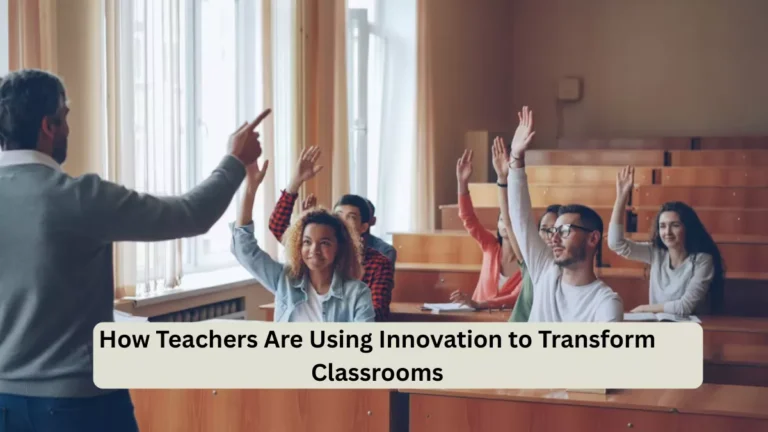
 How Teachers Are Using Innovation to Transform Classrooms
Creating a Positive Learning Environment
The foundation of engagement starts with the atmosphere of the classroom. A positive learning environment where students feel safe, respected, and encouraged promotes curiosity. When students believe their voices matter, they participate more freely. Teachers can set the tone by greeting students warmly, showing empathy, and encouraging open dialogue.
Physical space also plays a role. A well-organized, flexible classroom layout allows for collaboration and creativity. Whether in-person or online, minimizing distractions, ensuring visibility, and integrating vibrant visuals can enhance focus. Consistent routines with clear expectations help students feel secure, while flexibility allows room for exploration.
 Why Collaborative Learning Is the Future of Education
Making Learning Active and Interactive
Active learning transforms passive note-taking into dynamic participation. When students do rather than watch, they process information more deeply. Methods like think-pair-share discussions, debates, or hands-on experiments can energize any subject. These strategies require students to analyze, evaluate, and apply concepts, improving retention and understanding.
Another effective approach is peer teaching. When students explain concepts to classmates, they strengthen their mastery while building confidence. Teachers can also use role-playing, storytelling, or project-based learning to turn abstract lessons into tangible experiences. The goal is to create opportunities where students become co-creators of knowledge rather than passive receivers.
 The Secrets to Creating Engaging Lessons That Students Love
Connecting Lessons to Real Life
Students are naturally curious when they see how lessons apply to their world. Linking academic content to real-world situations helps them understand its purpose. A math teacher might use budgeting or architecture examples, while a science teacher could relate lessons to environmental issues or medical discoveries.
Career relevance is equally important. When students see how knowledge connects to future goals, motivation increases. Inviting guest speakers, sharing professional experiences, or assigning community-based projects can make abstract ideas come alive. Real-world application transforms learning from a requirement into an opportunity.
 How Technology Is Making Learning More Fun and Effective
Personalizing the Learning Experience
Every student learns differently. Some absorb knowledge visually, others through listening or hands-on activities. Personalizing instruction acknowledges these differences and tailors approaches accordingly. Adaptive teaching methods—such as using varied assignments, flexible pacing, and choice-based projects—allow students to take ownership of their learning.
Technology can help personalize education through interactive quizzes, digital simulations, and analytics that track progress. Teachers can adjust instruction based on real-time feedback, ensuring no student is left behind. The key is to balance structure with autonomy, empowering students to pursue topics that interest them while meeting core learning goals.
Encouraging Emotional and Social Connection
Learning is not purely intellectual—it’s deeply emotional. Students engage more when they feel connected to teachers and peers. Building relationships based on trust and empathy is essential. When educators take time to understand individual challenges and celebrate achievements, students respond with effort and commitment.
Social learning strategies, such as group discussions and collaborative projects, enhance engagement by encouraging teamwork. Students learn to communicate, negotiate, and respect diverse perspectives. Emotional safety allows them to take academic risks and explore creativity without fear of judgment. This connection between emotion and cognition is often the difference between surface learning and deep understanding.
Integrating Technology Thoughtfully
Technology can be a powerful engagement tool when used strategically. Interactive whiteboards, learning apps, and digital games transform abstract lessons into immersive experiences. Virtual field trips, simulations, and online collaboration platforms open doors to exploration beyond the classroom.
However, technology should complement—not replace—human interaction. The goal is to use it as a bridge for creativity and participation. For instance, using digital storytelling tools, video creation, or gamified quizzes can enhance engagement while developing digital literacy. Teachers should focus on tools that encourage exploration, collaboration, and critical thinking rather than passive consumption.
Fostering Creativity and Choice
Allowing students to make choices within structured learning promotes independence and motivation. Whether selecting project topics, presentation formats, or reading materials, choice empowers students to follow their curiosity. This ownership increases accountability and engagement because learners invest emotionally in outcomes they help design.
Creativity also stimulates critical thinking. Encouraging students to brainstorm, design, or invent fosters curiosity and resilience. Creative assignments—like writing alternative endings, designing models, or composing digital media—invite exploration beyond traditional boundaries. Such opportunities remind students that learning is an exciting journey rather than a rigid task.
Building Lifelong Learners
The ultimate goal of engagement is not just to improve grades—it’s to inspire lifelong learning. When education feels relevant and enjoyable, curiosity continues beyond the classroom. Teachers play a crucial role in nurturing intrinsic motivation by modeling enthusiasm, curiosity, and persistence.
When students learn how to learn—seeking information, analyzing sources, and solving problems—they develop autonomy. Engaged learners become adaptable thinkers, ready to navigate a changing world. By focusing on engagement, educators are not only improving test scores but shaping the leaders, innovators, and thinkers of tomorrow.
Conclusion
Making learning engaging for every student requires intention, creativity, and empathy. A classroom built on active participation, real-world relevance, and emotional connection helps students develop skills that last a lifetime. When teachers integrate personalized strategies, technology, and collaboration, learning becomes not just a task but a joyful exploration. The key takeaway is simple—engagement fuels learning, and when every student feels seen and inspired, education fulfills its true purpose.
FAQs
How can teachers increase student engagement quickly?
Use interactive discussions, relatable examples, and real-life projects to spark immediate interest in lessons.
Why is engagement important in education?
It improves understanding, memory, and motivation, helping students develop critical thinking and problem-solving skills.
What role does technology play in engagement?
Technology enhances creativity and participation when used to complement teaching through games, videos, and simulations.
How can teachers personalize learning for students?
By offering flexible assignments, adjusting pacing, and integrating digital tools that adapt to student learning needs.
What’s the best way to sustain engagement long-term?
Create emotional connections, offer meaningful choices, and consistently relate lessons to real-world applications.
✨ You May Also Like ✨