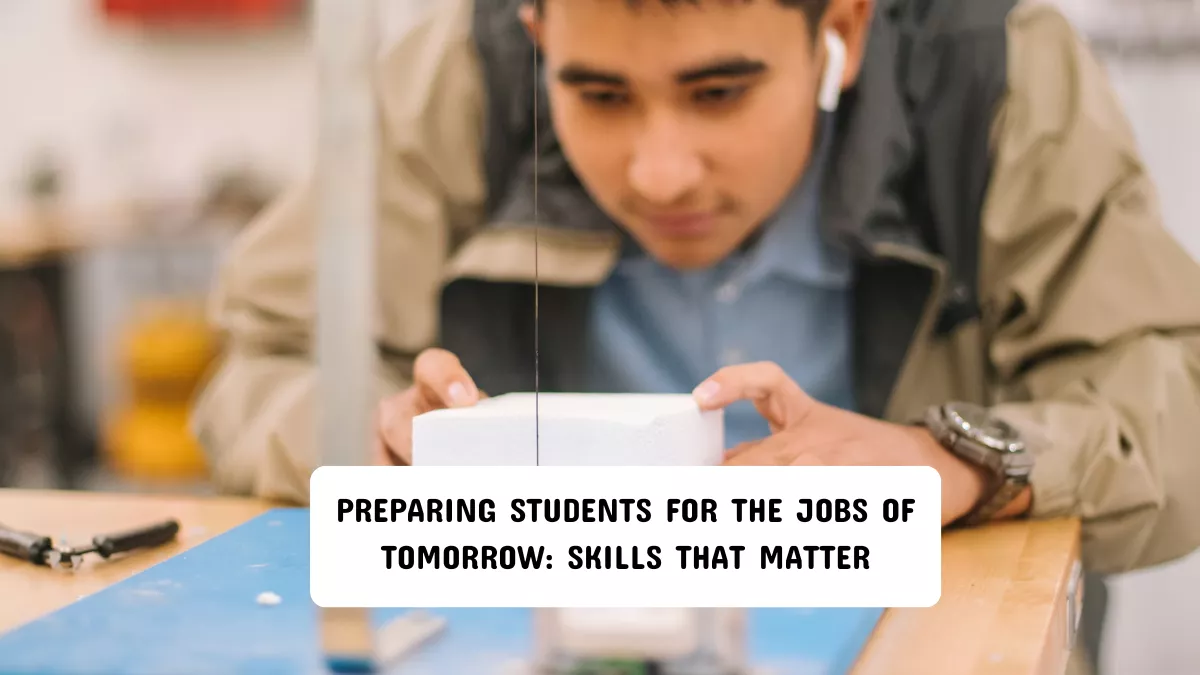
In today’s rapidly changing world, preparing students for the jobs of tomorrow is no longer just about academics. Many students graduate with degrees but lack the skills needed to thrive in modern workplaces.
The gap between traditional education and real-world demands can leave young professionals struggling to adapt, which affects their confidence and career growth. Understanding which skills truly matter and how to cultivate them is crucial for students, parents, and educators alike.
 How Modern Teaching Methods Are Inspiring a New Generation of Learners
Why This Problem Happens
One reason students struggle to meet workplace expectations is that traditional schooling often emphasizes memorization over practical experience. Many curricula focus heavily on theory while neglecting problem-solving, communication, and collaboration skills. Meanwhile, technology and industries are evolving faster than schools can adapt, leaving students with outdated knowledge.
Another factor is limited exposure to real-world work environments. Internships, mentorship programs, and hands-on projects are not always widely available, especially in smaller communities. As a result, students graduate without fully understanding what employers seek, leading to frustration, underemployment, or extended job searches.
 How Teachers Are Using Innovation to Transform Classrooms
Finally, many students are unaware of the soft skills and digital competencies that have become essential. While grades still matter, employers increasingly value adaptability, critical thinking, and technical literacy. Without guidance, students may spend years developing skills that are less relevant to modern workplaces.
Step 1: Encourage Critical Thinking and Problem-Solving
Why It Matters
Critical thinking is the ability to analyze information, identify patterns, and make informed decisions. Problem-solving involves using that analysis to address challenges effectively. Both skills are essential in jobs ranging from healthcare to technology, business, and education.
 Why Collaborative Learning Is the Future of Education
How to Develop It
- Ask Open-Ended Questions: Encourage students to explore “why” and “how” instead of memorizing facts. For example, in a science class, instead of asking, “What is photosynthesis?” ask, “How might plants respond if light levels change?”
- Use Real-World Scenarios: Assign projects that simulate workplace challenges. For instance, students could develop a simple business plan, design a sustainable garden, or create a community awareness campaign.
- Reflect on Mistakes: Encourage students to analyze what went wrong in a project or assignment and propose solutions. This reflection builds problem-solving confidence.
Common Mistakes to Avoid
- Focusing only on correct answers rather than reasoning
- Relying heavily on memorization
- Discouraging questions or alternative viewpoints
Step 2: Build Communication and Collaboration Skills
Why It Matters
Even highly skilled individuals struggle without effective communication. Collaboration, listening, and presenting ideas clearly are crucial for team-based work, which dominates most modern workplaces.
How to Develop It
- Group Projects: Assign tasks requiring students to work in teams, dividing roles and responsibilities.
- Presentation Exercises: Have students present their projects to classmates or community members to practice speaking clearly and confidently.
- Peer Feedback: Encourage students to provide constructive feedback to each other. This helps develop both communication and empathy.
Common Mistakes to Avoid
- Letting one student dominate group work
- Focusing only on speaking, neglecting listening and feedback
- Ignoring interpersonal conflicts instead of teaching conflict resolution
Step 3: Teach Digital Literacy
Why It Matters
Digital literacy goes beyond basic computer skills. Understanding digital tools, online research, data privacy, and basic software applications is critical in almost every field.
 The Secrets to Creating Engaging Lessons That Students Love
How to Develop It
- Introduce Essential Software: Teach word processing, spreadsheets, presentation tools, and collaborative platforms like Google Workspace or Microsoft Teams.
- Project-Based Learning: Have students create a small website, digital portfolio, or blog. This teaches practical tech skills and digital responsibility.
- Online Research Skills: Train students to evaluate sources critically, cite references, and detect misinformation.
Common Mistakes to Avoid
- Assuming students are naturally tech-savvy
- Using outdated software or tools
- Ignoring digital ethics and safety
Step 4: Foster Adaptability and Lifelong Learning
Why It Matters
The pace of change in the workplace requires employees who can learn new skills quickly and adapt to evolving roles. Lifelong learning ensures students remain relevant and confident throughout their careers.
How to Develop It
- Encourage Curiosity: Let students explore new interests outside the standard curriculum, such as coding, design, or robotics.
- Promote Flexible Thinking: Introduce exercises where students must adjust plans based on changing information or unexpected challenges.
- Model Lifelong Learning: Teachers and parents can demonstrate learning new skills themselves, showing that education doesn’t stop after school.
Common Mistakes to Avoid
- Emphasizing perfection over progress
- Punishing failure instead of framing it as learning
- Relying solely on traditional textbooks
Step 5: Introduce Career Awareness Early
Why It Matters
Students often graduate without a clear understanding of career options and the skills required for them. Early exposure helps them make informed decisions and align their learning with future goals.
 How Technology Is Making Learning More Fun and Effective
How to Develop It
- Career Exploration Days: Invite local professionals to speak about their careers and daily responsibilities.
- Internships and Job Shadowing: Even short-term experiences in local businesses or non-profits provide valuable insight.
- Online Career Resources: Guide students to reliable websites offering career paths, skill requirements, and potential earnings.
Common Mistakes to Avoid
- Assuming students will naturally discover careers on their own
- Focusing only on high-paying jobs instead of interests and strengths
- Ignoring non-traditional or emerging careers
Step 6: Encourage Emotional Intelligence
Why It Matters
Emotional intelligence (EI) involves self-awareness, empathy, and interpersonal skills. It helps students navigate workplace relationships, manage stress, and collaborate effectively.
How to Develop It
- Self-Reflection Exercises: Have students journal about their feelings during projects or team activities.
- Role-Playing: Simulate workplace conflicts or negotiations to practice empathy and perspective-taking.
- Mindfulness Practices: Simple breathing or focus exercises can help students manage stress and build self-awareness.
Common Mistakes to Avoid
- Overlooking the importance of emotions in decision-making
- Treating EI as secondary to technical skills
- Neglecting consistent practice and reinforcement
Step 7: Emphasize Financial and Civic Responsibility
Why It Matters
Understanding money management and civic duties prepares students for real-life independence. These skills help young adults make informed decisions, contribute positively to society, and avoid common pitfalls.
How to Develop It
- Budgeting Exercises: Students can create mock budgets, tracking income, expenses, and savings goals.
- Community Projects: Volunteer work teaches responsibility, teamwork, and social awareness.
- Discussion of Real-Life Scenarios: Discuss topics like taxes, credit, and civic participation without giving formal financial advice.
Common Mistakes to Avoid
- Assuming students will learn these skills at home
- Teaching only theory without hands-on practice
- Ignoring community engagement as part of education
Helpful Tips for Parents and Educators
- Focus on small, consistent skill-building activities rather than large, overwhelming projects.
- Encourage reflection after each experience to reinforce learning.
- Celebrate effort and creativity, not just correct outcomes.
- Expose students to diverse experiences, including volunteer work, part-time jobs, and hobby projects.
- Model curiosity and adaptability in everyday life; children learn best through observation.
FAQ
Q1: At what age should students start developing these skills?
A1: Skills like communication, adaptability, and basic digital literacy can start as early as elementary school. More complex skills like career exploration and financial responsibility can begin in middle or high school.
Q2: Can these skills be taught at home if schools lack resources?
A2: Yes. Parents can support skill development through projects, discussions, online courses, and real-world experiences like volunteering or part-time jobs.
Q3: Are technical skills more important than soft skills?
A3: Both are important. Technical skills help students perform specific tasks, but soft skills like communication, teamwork, and adaptability are what allow them to succeed in any workplace.
Q4: How can students stay motivated while learning these skills?
A4: Break tasks into small, achievable goals, provide consistent feedback, and encourage exploration in areas that interest them. Recognizing progress helps maintain motivation.
Q5: What if a student struggles with multiple skills?
A5: Focus on one skill at a time, use step-by-step guidance, and provide support through mentorship, practice, and reflection. Every student develops at their own pace.
Conclusion
Preparing students for the jobs of tomorrow requires more than memorization or test scores. It involves nurturing critical thinking, communication, adaptability, digital literacy, emotional intelligence, and civic awareness. By providing real-world experiences, fostering lifelong learning, and guiding students step by step, parents and educators can equip the next generation with the skills they truly need.
Starting early, avoiding common mistakes, and modeling positive behaviors will help students confidently navigate an ever-changing workplace and create a foundation for long-term success.
✨ You May Also Like ✨