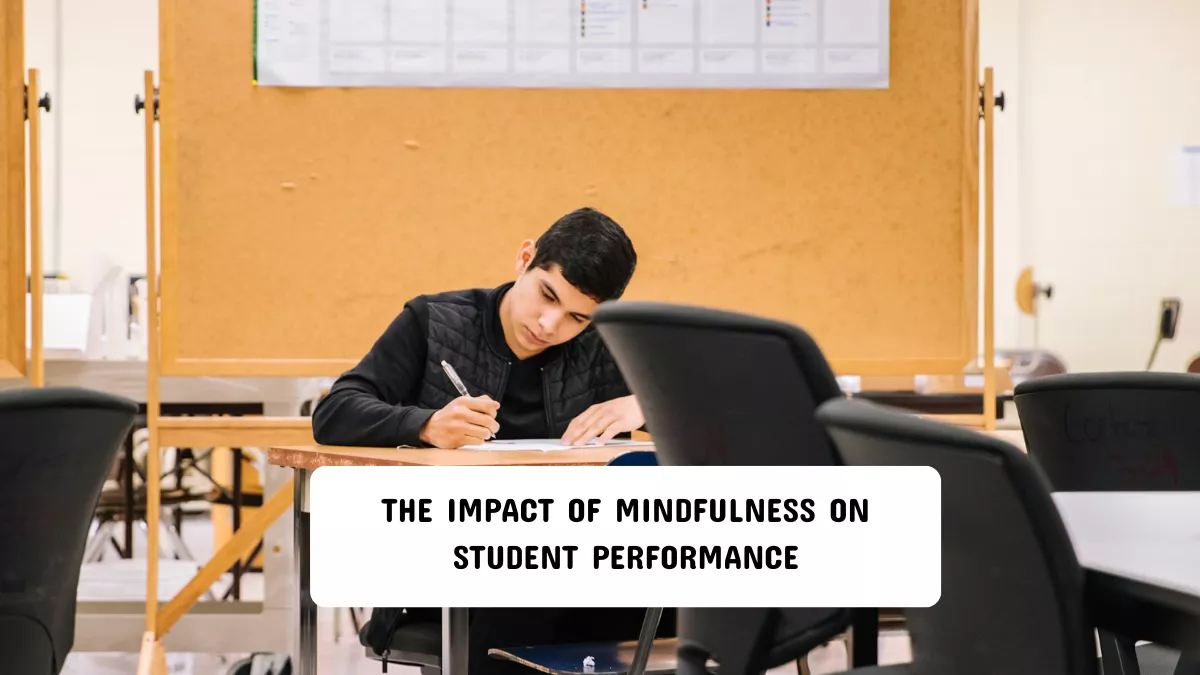
Students in the United States face increasing pressure from academics, extracurricular activities, and personal responsibilities. Many struggle with concentration, stress, and mental fatigue, which can impact performance. Traditional study methods often focus only on time management and memorization, but one often overlooked approach—mindfulness—can make a real difference.
Practicing mindfulness can help students manage stress, improve focus, and enhance overall learning. This article explores the reasons behind these challenges and offers practical, step-by-step ways to integrate mindfulness into daily routines.
 How Modern Teaching Methods Are Inspiring a New Generation of Learners
Why Students Struggle with Focus and Performance
Many students experience mental overload due to juggling multiple commitments. A typical American high school student might spend six to eight hours in classes, participate in sports or clubs, and still need to complete homework in the evening. College students face similar pressures, often compounded by part-time jobs, internships, or social obligations.
Stress and anxiety are major contributors to poor focus. When the brain is constantly worrying about deadlines or social expectations, it has difficulty retaining information or maintaining attention. Distractions from smartphones, social media, and noisy environments can further reduce concentration. Over time, this creates a cycle where stress impacts performance, and poor performance increases stress.
 How Teachers Are Using Innovation to Transform Classrooms
Mindfulness can help break this cycle. By intentionally focusing on the present moment, students can reduce mental clutter, calm anxiety, and improve cognitive function. It allows the brain to recharge and develop better attention control, which is crucial for learning and performance.
Step 1: Understanding Mindfulness
Before integrating mindfulness into daily life, it’s important to understand what it is. Mindfulness is the practice of paying full attention to the present moment without judgment. It involves noticing thoughts, feelings, and physical sensations as they occur. Unlike daydreaming or worrying about the future, mindfulness emphasizes awareness and acceptance.
 Why Collaborative Learning Is the Future of Education
Mindfulness can take many forms, from short breathing exercises to more structured practices like meditation or yoga. Even small, consistent sessions can help students feel more focused and grounded.
Step 2: Start with Simple Breathing Exercises
One of the easiest ways for students to begin practicing mindfulness is through breathing exercises. These can be done anywhere, from a classroom desk to a quiet corner at home.
 The Secrets to Creating Engaging Lessons That Students Love
- Find a comfortable position – Sit upright with your back straight, feet on the floor, and hands resting on your lap.
- Focus on your breath – Take slow, deep breaths, inhaling through your nose and exhaling through your mouth.
- Notice sensations – Pay attention to how the air feels as it moves in and out of your body.
- Return when distracted – If your mind wanders, gently bring your focus back to your breath.
Practicing this for just five minutes a day can help reduce stress and increase focus, making it easier to study or complete assignments.
Step 3: Integrate Mindful Study Techniques
Mindfulness can directly improve study habits. Students often multitask or skim material quickly, which can reduce retention. Mindful studying emphasizes presence and intentional focus on the task at hand.
 How Technology Is Making Learning More Fun and Effective
- Set specific study goals – Before starting, decide what you aim to accomplish in each session.
- Eliminate distractions – Silence notifications, put your phone away, and create a quiet study space.
- Practice active engagement – Highlight key points, summarize information in your own words, and ask yourself questions.
- Take mindful breaks – Every 45–60 minutes, pause to stretch, breathe, or walk for a few minutes to recharge your mind.
By bringing awareness to the learning process, students can improve comprehension and memory retention.
Step 4: Use Mindfulness to Manage Stress
Stress is a major barrier to student performance. Mindfulness provides tools to recognize and manage stress before it becomes overwhelming.
- Body scan exercises – Lie down or sit comfortably and focus on each part of your body, starting from your toes and moving up. Notice tension or discomfort and breathe into those areas.
- Mindful journaling – Write down thoughts and emotions without judgment. This can help students process feelings and reduce mental clutter.
- Visualization techniques – Imagine yourself completing tasks successfully or remaining calm during exams. This can strengthen confidence and focus.
These practices teach students to respond to stress calmly rather than reacting impulsively, which can prevent burnout and improve performance over time.
Step 5: Incorporate Mindfulness into Daily Routines
Consistency is key to benefiting from mindfulness. It should become part of daily life rather than a sporadic activity.
- Morning routine – Start the day with a brief five-minute meditation or breathing exercise.
- Commute or walk time – Instead of scrolling through your phone, notice your surroundings, breathe deeply, and practice being present.
- Mealtime awareness – Eat slowly, savoring each bite, and notice textures and flavors.
- Evening reflection – End the day by reflecting on what went well and areas to improve, acknowledging achievements without judgment.
Small, regular practices build mental resilience and improve attention, leading to better academic performance.
Step 6: Combine Mindfulness with Physical Activity
Exercise enhances mindfulness by promoting body awareness and reducing stress. Activities like walking, swimming, or yoga allow students to focus on physical sensations while giving the brain a break from academic stress.
For example, a college student juggling classes and work might take a 15-minute walk between lectures, paying attention to the rhythm of each step and the environment. This simple practice helps clear the mind, improving concentration when returning to study tasks.
Common Mistakes to Avoid
Even with the best intentions, students may struggle with mindfulness. Common mistakes include:
- Expecting instant results – Mindfulness improves performance gradually. Consistency is more important than intensity.
- Multitasking during practice – Mindfulness requires full attention. Trying to practice while checking a phone or watching TV reduces benefits.
- Judging thoughts – Mindfulness is about noticing thoughts, not criticizing them. Self-criticism can increase stress rather than reduce it.
- Skipping short sessions – Even five minutes a day is beneficial. Skipping too often prevents long-term improvements.
Being patient and persistent helps students experience the true benefits of mindfulness over time.
Realistic Examples in Student Life
Consider a high school student preparing for final exams. Instead of cramming for hours without breaks, they take 10-minute mindfulness breaks between study sessions. They notice their mind wandering less, absorb information more efficiently, and feel calmer during exams.
A college student managing multiple assignments can use mindful journaling to track progress and identify stress triggers. By reflecting regularly, they prioritize tasks effectively and maintain focus without feeling overwhelmed.
Even adult learners returning to education or taking online courses can benefit. By practicing mindfulness during study sessions, they experience less anxiety, maintain attention, and manage distractions at home or work.
Tips for Success
- Start small – Begin with short sessions and gradually increase duration.
- Use reminders – Schedule mindfulness practices like any other appointment.
- Create a dedicated space – Even a quiet corner with minimal distractions can improve consistency.
- Be patient with yourself – Mindfulness is a skill that improves over time.
- Combine methods – Experiment with breathing, meditation, journaling, and mindful walking to find what works best.
By incorporating these strategies, students of all ages can experience improvements in focus, memory, and overall well-being.
FAQ
Q1: How long should I practice mindfulness each day to see benefits?
Even five to ten minutes daily can be effective. Gradually increasing the duration can enhance results over time.
Q2: Can mindfulness help with test?
Yes, mindfulness teaches students to focus on the present moment, reducing worry about outcomes and helping them stay calm during exams.
Q3: Do I need special equipment or apps to practice mindfulness?
No, mindfulness can be practiced anywhere without equipment. Apps or guided sessions can help beginners but are not necessary.
Q4: Can younger children benefit from mindfulness?
Yes, age-appropriate practices like breathing exercises, short meditations, or mindful coloring can help children improve focus and emotional regulation.
Q5: How soon will I notice improvements in academic performance?
Results vary. Some students feel calmer and more focused within a few days, while cognitive improvements may take a few weeks of consistent practice.
Conclusion
Mindfulness offers a practical, evidence-based approach to improving student performance in the United States. By addressing stress, enhancing focus, and promoting mental clarity, it provides a simple yet powerful tool for students at all levels. Whether practicing short breathing exercises, mindful studying, journaling, or combining mindfulness with physical activity, consistency is key.
Students who incorporate mindfulness into their daily routines often notice better concentration, more effective study sessions, and reduced anxiety. By avoiding common mistakes, being patient, and integrating mindfulness into everyday life, anyone can enhance their learning experience and achieve greater balance in both academics and personal life. Mindfulness is not a quick fix but a lifelong skill that supports mental well-being, resilience, and more confident, focused performance in the classroom and beyond.
✨ You May Also Like ✨